
Understanding Personal Finance Management
Personal finance management refers to the strategic planning, monitoring, and control of an individual’s financial resources. It encompasses a variety of processes, including budgeting, tracking expenses, saving, and investing. Effectively managing personal finances is critical, as it empowers individuals to achieve their financial goals, such as home ownership, retirement savings, or funding education.
One of the primary advantages of personal finance management is its role in budgeting. By creating a detailed budget, individuals can allocate their resources efficiently, ensuring that income covers essential living expenses while also allowing for savings and discretionary spending. This proactive approach helps prevent overspending and encourages mindful financial decisions, ultimately leading to better financial health over time.
Moreover, tracking expenses plays a crucial part in personal finance management. Keeping a close eye on spending habits can reveal patterns and areas where individuals may be overindulging. This awareness allows for appropriate adjustments to be made, fostering a habit of frugality and financial discipline. Regularly reviewing one’s financial situation aids in identifying unnecessary expenditures and areas for potential savings.
In recent years, the adoption of financial applications has greatly simplified personal finance management. These digital tools provide users with a platform to track their expenses seamlessly, often linking directly to bank accounts to automate the process. By using financial apps, individuals can gain insights into their spending habits, set budgets, and receive alerts when they are nearing budget limits. This convenience not only saves time but also enhances decision-making, as users have real-time information at their fingertips.
In essence, personal finance management is vital for maintaining financial stability and achieving long-term financial goals. The integration of financial applications into this process serves to streamline operations, foster better habits, and ultimately facilitate smarter financial decisions.
Criteria for Choosing Financial Apps
When selecting a financial application for personal expense management, certain features and functionalities serve as crucial benchmarks for ensuring the app meets users’ needs effectively. The user interface, for instance, plays a vital role in determining how easily individuals can navigate the app. A clean, intuitive design enables users to quickly access various sections, making the experience seamless.
Ease of use is another important criterion. Financial apps should not require extensive tutorials to operate; they should be straightforward enough for all user levels, including those who may not be tech-savvy. An application that simplifies budgeting, tracking expenses, and visualizing financial trends can significantly enhance the user experience, promoting regular engagement and management of finances.
Security measures are paramount in today’s digital landscape, where personal data protection is a priority. Users should look for financial applications that utilize encryption and offer features like two-factor authentication. These security protocols ensure that sensitive financial information remains safe from unauthorized access, giving users peace of mind while managing their finances.
Compatibility with various devices and banking institutions is also essential. A versatile financial app should sync flawlessly with not only smartphones and tablets but also computers, allowing users to manage their expenses on multiple platforms. Additionally, the app should support connections with major banks, enabling automatic transaction imports and real-time updates on financial status.
Ultimately, the selection of a financial app should balance functionality with user-friendly features. Considering the user interface, ease of use, security, and interoperability can significantly enhance an individual’s ability to manage their finances effectively. By prioritizing these criteria, users can choose a financial application that fits their specific needs and lifestyle.
Overview of Popular Financial Apps
In today’s digital age, personal finance management has been revolutionized by the advent of numerous financial applications designed to cater to diverse user needs. These applications provide various tools for budgeting, expense tracking, and financial planning, making it easier for individuals to manage their finances effectively. Among the most popular financial apps, several stand out due to their unique features, target audiences, and user ratings.
One of the leading applications is Mint, which is noted for its comprehensive budgeting capabilities. This app allows users to link their bank accounts, track expenses in real-time, and create budgets tailored to their financial goals. Mint’s user-friendly interface and robust reporting features make it ideal for everyday users looking to gain insights into their spending habits.
Another notable app is YNAB (You Need A Budget), which adopts a proactive budgeting approach. It emphasizes the importance of planning and encourages users to allocate every dollar they earn, a method that has garnered a loyal following among budgeting enthusiasts. YNAB offers educational resources that help users change their financial habits for the better.
Personal Capital is highly regarded for its investment management tools. It not only helps users track their everyday expenses but also offers in-depth analysis of their investment portfolios. This app is particularly beneficial for individuals looking to optimize their long-term wealth building.
GoodBudget is distinguished by its envelope budgeting system, which appeals to those who prefer a more traditional approach to managing their finances. Users can create virtual envelopes to allocate funds for specific spending categories, ensuring that they stick to their budgets effectively.
Lastly, PocketGuard simplifies personal finance management by showing users how much disposable income they have after accounting for bills, goals, and necessities. This app is well-suited for those who want to quickly visualize their financial situation.
Each of these applications addresses specific financial needs, making it easier for users to select the right tool based on their preferences and financial objectives. The diversity in features and user interfaces highlights the importance of personalized solutions in effective personal expense management.
Expense Tracking Features
In today’s fast-paced financial environment, the ability to manage personal expenses effectively has become a necessity for many individuals. Financial applications have emerged as essential tools for expense tracking, providing users with a range of functionalities designed to simplify the process of logging and analyzing their spending habits.
One of the most important features of these applications is the capability to log expenses in real-time. Users can effortlessly enter transactions as they occur, which helps in maintaining an accurate record of their financial activities. By allowing instant entry of expenses, these apps minimize the chance of forgetting purchases, ensuring that users have a complete overview of their expenditures.
Furthermore, categorization of expenses is another critical functionality offered by financial apps. Many applications allow users to assign specific categories to their expenditures, such as groceries, utilities, or entertainment. This categorization not only aids users in tracking where their money is going but also provides valuable insights into their spending patterns. By analyzing categorized data, individuals can identify areas where they may be overspending and adjust their financial strategies accordingly.
Visualization capabilities represent yet another integral component of expense tracking features in financial applications. Through graphs, charts, and reports, users can easily comprehend their financial habits and trends over time. Visual representations of financial data often highlight areas of concern, encouraging users to take action to improve their financial health. For instance, monthly spending summaries can be instrumental in helping individuals plan their budgets more effectively.
Overall, the expense tracking functionalities of financial applications empower users to take charge of their finances. By logging expenses, categorizing them, and visualizing spending habits, individuals are better equipped to make informed financial decisions. The rise of such technology reflects a significant shift toward a more organized and analytical approach to personal finance management.
Budgeting Tools in Financial Apps
Budgeting is a critical aspect of personal finance management, and many financial applications are designed to simplify this process for users. These tools allow individuals to create tailored budgets that align with their financial goals, providing a structured approach to manage expenses effectively. By utilizing various budgeting tools available in financial apps, users can gain better control over their spending habits.
One of the primary features of these applications is the ability to categorize expenses. This categorization enables users to identify where their money is going by breaking down spending into specific areas such as groceries, dining out, and entertainment. By analyzing these categories, individuals can pinpoint areas where they might be overspending and adjust their budgets accordingly. Many financial apps also provide visualizations, such as charts and graphs, which facilitate an easier understanding of expenditure patterns.
Additionally, financial applications offer features that help users set financial goals. Whether saving for a vacation, paying off debt, or building an emergency fund, many budgeting tools allow users to set specific targets. Through goal-setting functionalities, users can track their progress, receive reminders for upcoming expenses, and ensure they adhere to their budgetary limits.
Another significant advantage of using budgeting tools within financial apps is the capability to implement spending alerts and notifications. These alerts can notify users when they are nearing their spending limits within specific categories, promoting responsible financial behavior. Such proactive measures assist users in staying on track with their financial goals and prevent overspending ahead of personal limits.
In conclusion, budgeting tools within financial applications are indispensable resources for effective personal expense management. They not only help users create personalized budgets but also foster a disciplined financial approach by setting and monitoring financial goals, as well as ensuring adherence to spending limits.
Investing Options within Financial Apps
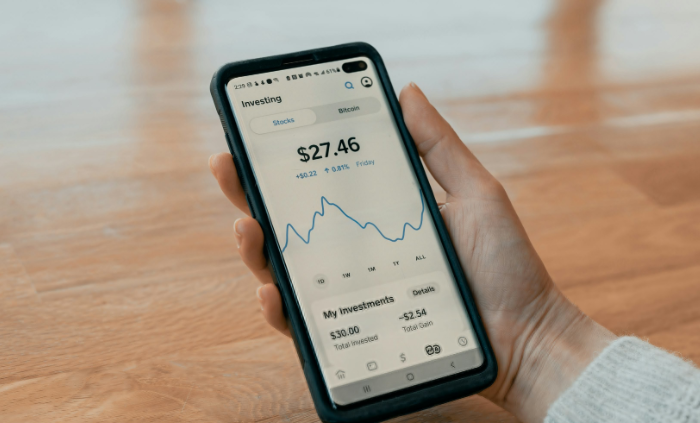
In recent years, the rise of financial applications has significantly transformed the way individuals manage their personal finances and investments. Many of these platforms now offer integrated investing options, enabling users to handle both budgeting and investment portfolios in a unified interface. This seamless approach not only simplifies the user experience but also promotes more informed financial decisions.
Financial apps that incorporate investing capabilities allow users to monitor their spending, savings, and investments concurrently. For instance, users can view their overall net worth by having both their bank accounts and investment accounts linked within the same application. This centralized view can enhance awareness of personal financial health, making it easier to identify excess cash that could be allocated towards investment opportunities.
Moreover, many financial applications provide analytical tools to gauge investment performance and make recommendations based on individual financial goals. Users can track stock performance, analyze market trends, and even receive alerts about significant changes in the financial landscape. Some apps extend additional features, such as automated investing or robo-advisory services, which help users construct and manage their portfolios based on risk preferences and financial aspirations.
Additionally, integrated financial applications often facilitate direct investment transactions, allowing users to quickly buy or sell stocks without needing to switch between different platforms. This is particularly beneficial for individuals who prefer maintaining oversight of both their expenses and investments in one place.
By providing features such as retirement planning tools, asset allocation recommendations, and educational resources regarding investment strategies, financial apps cater to both novice and seasoned investors looking to strengthen their financial literacy and overall management. Thus, the integration of investing options in these applications is continually evolving, aligning with growing user demands for convenience and a holistic view of their financial status.
Data Security and Privacy Considerations
In the realm of personal finance management, ensuring the security of sensitive financial data is paramount. The rise of financial applications has brought significant advancements in user convenience; however, it has also spotlighted the critical need for robust data security measures. Many personal finance apps implement advanced encryption technologies to safeguard user data. This encryption method ensures that any data transmitted between the user and the application remains confidential and protected from external threats.
Additionally, reputable finance apps often utilize two-factor authentication (2FA) mechanisms. This extra layer of security requires users to provide not only a password but also a temporary code sent to a trusted device, making unauthorized access substantially more challenging. These layers of protection work together to create a safer environment where individuals can manage their expenses and budgets confidently.
Furthermore, data privacy policies are an essential aspect of any finance application. Users should be well-informed about how their financial information is collected, stored, and used. A clear and transparent privacy policy allows users to understand their rights and the measures in place to protect their data. It is advisable for users to seek applications that regularly update their security features in alignment with evolving technological threats.
To further enhance their security posture, users should adopt proactive habits. Regularly updating passwords, monitoring bank statements for suspicious activity, and being cautious of phishing attempts can greatly reduce exposure to risks. Additionally, it is wise to only utilize apps that offer centralized account management features, which can help users maintain oversight of multiple accounts in one secure location.
In conclusion, as users rely on personal finance applications for expense management, it is critical to prioritize data security and privacy. Understanding the measures that apps employ and adopting personal security practices are essential to protect sensitive financial information and enhance overall secure user experience.
User Experiences: Testimonials and Case Studies
The emergence of financial applications has revolutionized the way individuals manage their finances. Users from varying backgrounds have reported significant improvements in their financial health and budgeting proficiency through these platforms. One compelling case is that of Sarah, a young professional who adopted a popular budgeting app. Sarah discovered that, by tracking her expenses meticulously, she could identify unnecessary expenditures and allocate more to her savings. As a result, she reported a 30% increase in her savings within just six months.
Another noteworthy testimonial comes from James, a small business owner who uses an expense tracking application. Facing difficulties in keeping track of receipts and expenditures, James turned to this app. With features that simplified invoice management and expense tracking, he found it much easier to oversee his expenses. James noted that the application saved him an estimated five hours per week that he previously spent on bookkeeping tasks, allowing him to focus more on growing his business.
Similarly, a group of college students took advantage of financial applications to better manage their limited budgets. They utilized a collaborative budgeting tool that allowed them to split expenses among roommates effectively. The users reported that by leveraging this app, they experienced a reduction in conflicts regarding shared expenses and an increase in their financial awareness. This led to healthier financial decisions among the group, such as cooking at home more often instead of dining out.
Finally, Maria, a retiree, shared her experience with a retirement planning application that helped her track her spending against her retirement income. By inputting her financial data, Maria received insights on how to optimize her spending and maintain her lifestyle within her income limits. Through this app, she gained confidence in her financial management and still enjoys a comfortable retirement.
Future Trends in Financial Applications
The landscape of financial applications for personal expense management is evolving rapidly, driven by technological advancements and changing consumer preferences. Emerging technologies such as artificial intelligence (AI), machine learning, and blockchain are poised to significantly enhance the way users manage their finances. AI-powered applications, for instance, can provide smart budgeting tools that learn users’ spending habits over time, offering personalized insights and recommendations for better financial decision-making.
Furthermore, the integration of biometric authentication features is expected to bolster security measures within these applications. As concerns over data privacy and financial security grow, users will increasingly favor applications that employ advanced security protocols, such as facial recognition and fingerprint scanning. These developments not only enhance user confidence but also pave the way for a more secure financial ecosystem.
In addition to security enhancements, the future of financial applications will likely see the incorporation of real-time financial tracking capabilities. Users will demand instantaneous updates and notifications related to their expenses and account balances. This shift will allow individuals to maintain better control over their spending habits, encouraging more informed financial behaviors. Applications that can successfully leverage real-time data analytics will have a competitive edge in a market where user engagement is paramount.
Another trend is the increasing focus on user experience (UX) and user interface (UI) design. As financial literacy grows among consumers, they will seek applications that provide not only functional tools but also intuitive interfaces that enhance usability. Developers will be tasked with creating clean, engaging interfaces that simplify complex financial data, making it accessible to all users, regardless of their financial expertise.
As these trends converge, the financial application sector will likely witness transformative changes that not only enhance functionality but also redefine how individuals approach personal finance management. Users will benefit from smarter, more secure, and user-friendly applications that cater to their evolving financial needs, facilitating a more holistic approach to expense management.