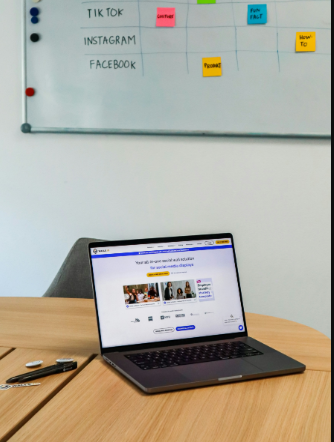

Understanding the Importance of a Content Calendar
A content calendar is an essential tool for any blogger, particularly those who manage a multi-niche blog. With various topics to cover, it becomes imperative to organize content effectively to ensure each niche receives the attention it deserves. A well-structured content calendar facilitates better time management, allowing bloggers to allocate specific periods for research, writing, and editing across different niches.
By employing a content calendar, bloggers can create organized posting schedules, minimizing the chances of overlapping topics or neglected areas. This organization is crucial when addressing diverse audiences that may vary in interests and preferences. Not only does an organized calendar contribute to a harmonious flow of content, but it also aids in maintaining a consistent frequency of postings. Regularly delivered content keeps audiences engaged and encourages return visits, ultimately fostering a loyal reader base.
Furthermore, a content calendar allows for the strategic planning of promotional activities or seasonal events relevant to various niches. For instance, a travel blog may want to post about summer destinations ahead of the summer season, while a technology blog might align its content with product launches or industry conferences. This foresight ensures that the content is timely and resonates with the audience’s current interests.
Consistency in content delivery is paramount; a content calendar supports this by providing a framework that guides the bloggers in their commitments. It alleviates the stress of last-minute content creation and enables bloggers to focus on quality over quantity. Incorporating tools and software to manage the calendar can further enhance productivity, allowing for easy adjustments and collaboration among team members if applicable.
In conclusion, a content calendar is not merely a scheduling tool; it is a foundational element that can transform the management of a multi-niche blog into a streamlined and effective content creation process.
Identifying Your Niche Categories
Determining the various niches for your blog is a vital step in creating a multi-niche content calendar. The first phase involves a thorough analysis of your existing content and the interests of your audience. Start by reviewing previous posts and identifying which topics garnered the most engagement, comments, and shares. This approach will offer insights into what resonates with your readers and inform your selection of niches.
Next, categorize potential niches based on their relevance and your expertise. Creating a taxonomy of niches can include a variety of categories such as lifestyle, technology, health, travel, and finance. Such categorization not only helps in systematic content production but also assists you in targeting specific audience segments more effectively.
Analyzing audience interest is crucial in this phase. Utilize tools like Google Trends, social media insights, and keyword research to gauge the popularity of different topics within the niches you are considering. Engaging with your audience through surveys or polls can also provide invaluable feedback on what they wish to see more of. This interaction fosters a sense of community and loyalty, further contributing to the success of your content calendar.
As you refine your niche categories, it is essential to set clear goals for content production within each niche. Establishing objectives, whether they be increasing web traffic, enhancing audience engagement, or promoting product offerings, will keep your efforts focused. Moreover, these goals will help evaluate the effectiveness of content strategies and make necessary adjustments. With clearly defined niches supported by audience insights and measurable goals, your multi-niche content calendar can become a powerful tool in driving blog success.
Selecting Tools for Content Calendar Creation
Creating a content calendar is essential for effective content marketing, and selecting the right tools can greatly enhance this process. Various software options and applications cater to different needs, ranging from simple calendar apps to comprehensive project management software. Here, we will explore some of the most popular tools available, along with their advantages and disadvantages.
Calendar applications, such as Google Calendar and Microsoft Outlook, offer straightforward scheduling features that many users find appealing. These tools often include reminders and notifications, fostering better organization. However, they may lack advanced features tailored specifically for content planning, limiting their effectiveness as standalone solutions.
Spreadsheet programs, like Microsoft Excel and Google Sheets, provide a flexible platform for content calendar creation. Users can customize their templates to include columns for titles, publishing dates, and assigned authors. The versatility of spreadsheets allows for extensive data manipulation, giving users control over their content strategy. Nonetheless, they may require more manual effort and do not offer integrated features for collaboration without additional setup.
Project management software such as Trello and Asana has gained popularity for content calendar development. These tools facilitate seamless collaboration among teams by providing visual boards and task assignments. Users can track progress and incorporate deadlines into their workflows, enhancing accountability. On the downside, the learning curve can be steep for new users, and some features may not be relevant for those seeking a straightforward content calendar.
Other tools, like CoSchedule or Airtable, combine the functionalities of calendar apps and project management tools. They offer specialized features tailored for marketers, such as social media integration and analytics. While these all-in-one solutions can be beneficial, they may also come with higher costs and complexity, making it essential for users to evaluate their specific needs before investing.
In conclusion, selecting the right tools for creating a content calendar depends on user requirements, team size, and budget constraints. By understanding the strengths and weaknesses of each tool, individuals and teams can better manage their content creation processes and achieve their marketing goals.
Building a Monthly/Weekly Framework
Creating a structured content calendar is essential for any content strategy, particularly when dealing with multiple niches. A well-organized monthly or weekly content calendar helps streamline the content creation process and ensures that diverse topics receive appropriate attention. Initially, it is crucial to define the specific niches that will be covered. By listing them out, you create a framework that can guide the allocation of content across the specified period.
To begin building your calendar, consider using a visual tool such as a spreadsheet or calendar application. This allows for the easy identification of gaps and overlaps in content coverage. Visual representation aids not only in clarity but also encourages a quick assessment of how content is distributed across different niches over the weeks or months. It is advisable to color-code each niche, which makes it easier to spot patterns and potential issues like lack of content on certain topics.
Once you have established a visual framework, the next step is to allocate specific days or weeks for each niche. For instance, you might assign certain weekdays to specific topics, ensuring that no single niche overwhelms the content schedule. This balanced approach helps maintain audience engagement across different interests while avoiding the fatigue that can arise from concentrating too heavily on one subject area.
Furthermore, consider the seasonal aspects or special events that might influence your content themes. For example, if you cover a niche related to health and wellness, it might be good to focus on fitness content during January when many are setting New Year resolutions. By planning ahead and adjusting the calendar based on trends and audience engagement, you enhance your chances of producing relevant and timely content.
In conclusion, by carefully structuring a monthly or weekly framework for your content calendar, employing visualization techniques, and allocating specific days for each niche, one can ensure a balanced and effective content strategy that resonates with diverse audiences. The combination of organization and strategic planning ultimately leads to more consistent content production and greater audience satisfaction.
Incorporating Content Ideas and Themes
Generating content ideas and themes for a multi-niche content calendar is essential for maintaining engagement and relevance across different audience segments. A systematic approach to developing diverse content can optimize visibility and encourage interaction. Here are some effective strategies to generate fresh ideas for each niche.
One of the primary methods for brainstorming content ideas is the creative technique often referred to as mind mapping. This involves writing down a central theme or concept and branching out related ideas. For each niche, create a separate mind map that captures various subtopics, potential angles, and description ideas, thus allowing for comprehensive exploration of each category.
Another valuable source of content inspiration can be gathered from audience feedback. Engaging directly with your audience through social media platforms, surveys, or polls can reveal their interests and preferences. Understanding the questions or topics they are curious about facilitates the creation of relevant content that resonates with their needs. Additionally, tracking comments on previous posts can yield insights into what worked well and areas that could be improved or expanded upon.
Furthermore, researching trending topics in each niche can serve as an effective means of idea generation. Utilize tools such as Google Trends, BuzzSumo, or social media trending sections to identify popular themes and discussions that are currently captivating the audience. This research can lead to creating timely content that feels fresh and relevant, making it more likely to attract attention.
Combining these methods not only ensures a rich pool of themes and ideas but also helps maintain a balance so that each niche receives adequate coverage. By regularly updating and refining these themes based on audience engagement and interest, content creators can build a robust multi-niche content calendar that fulfills diverse audience demands.
Scheduling and Frequency of Posts
Determining the right posting frequency is essential to maintaining engagement across various niches in a multi-niche content calendar. An effective schedule not only keeps your audience interested but also enhances your overall content strategy’s effectiveness. Different niches may demand different posting frequencies based on what resonates with their specific audiences. Therefore, evaluating the unique characteristics of each niche is paramount.
First, consider the nature of your niches. Some topics may necessitate more frequent updates to keep audiences informed and engaged, especially in fast-paced fields like technology or health. In contrast, lifestyle or personal development content might not require daily posts; instead, a weekly or bi-weekly schedule could suffice to maintain quality while encouraging thoughtful engagement from your audience.
Audience engagement insights can inform the ideal posting frequency for each niche. Utilizing historical performance data, such as previous posts’ engagement metrics—likes, shares, comments, and click-through rates—can shed light on how often your audience interacts with your content. This data helps you to identify peak engagement times and tailor your posting schedule accordingly. For instance, if engagement spikes on weekends for lifestyle blogs but shows more stable interest during weekdays for business-related content, your scheduling should reflect these trends.
Moreover, it is beneficial to experiment with your posting frequency. A/B testing different schedules allows you to observe how varying the frequency influences traffic, engagement, and retention. By adopting a responsive approach, you can adeptly adjust your schedule to maximize reach and interaction, ensuring that you meet your audience’s evolving preferences.
In conclusion, the right posting frequency is crucial in effectively managing a multi-niche content calendar. By analyzing audience engagement and leveraging historical performance data, you can schedule posts that align with audience preferences and optimize your content strategy across multiple niches.
Involving Guest Contributors and Collaborators
Incorporating guest contributors and collaborators into your content calendar can provide a multitude of benefits for your blog or website. One major advantage is the diversification of content. Guest posts allow for different viewpoints, subjects, and expertise, which can enrich the content offering and appeal to a broader audience. This diversification is crucial in a multi-niche environment, where it is important to cater to various interests while maintaining a cohesive overall strategy.
To successfully manage contributors, the first step is to identify potential collaborators who align with your brand values and content goals. This can be accomplished by researching industry influencers, fellow bloggers, or professionals whose expertise complements your niche. Leveraging platforms like social media and professional networking sites, such as LinkedIn, can aid in finding individuals eager to share their knowledge through guest posts. Once potential contributors are identified, establishing a clear and structured outreach process is essential. Providing a brief overview of your content calendar, the types of articles you are seeking, and the benefits of collaboration can facilitate productive partnerships.
Setting clear guidelines for guest contributions is critical to ensure quality and relevance. This includes outlining the tone, style, and formatting expectations for submissions. Additionally, establishing a review process to evaluate the content before publication can help maintain the integrity of your site. Collaborations should not only reflect high-quality writing but also align with the themes and objectives of your content calendar.
Moreover, creating a positive collaboration experience can foster long-term relationships with contributors, leading to a more sustainable content strategy. By integrating guest posts and collaborations into your planning, you can not only enhance your content’s variety but also leverage the unique strengths of your contributors, ultimately benefiting both parties involved.
Monitoring and Adjusting the Content Calendar
Regularly reviewing and adjusting the content calendar is a crucial aspect of effective content management. This process ensures that your content remains relevant, engaging, and aligned with audience interests and business goals. To begin, it is essential to establish a routine review schedule—monthly or quarterly—depending on the pace of change in your industry and audience preferences.
One of the primary steps in this review process is the analysis of results from previous content efforts. Utilizing analytics tools, such as Google Analytics or social media insights, allows you to track performance metrics, including page views, engagement rates, and conversion rates. By examining these metrics, you can identify which content pieces resonated most with your audience. Pay attention to patterns regarding which topics, formats, and publishing times generated the most interaction. This data will serve as the foundation for future adjustments.
In addition to performance metrics, gathering qualitative feedback is also beneficial. Engaging directly with your audience through surveys or social media interactions can provide valuable insights into their preferences and expectations. Understanding audience sentiment helps to tailor future content to better meet their needs.
Upon analyzing both quantitative and qualitative data, it’s essential to make data-driven decisions. This may involve prioritizing certain topics over others, experimenting with different formats, or adjusting the content calendar to align with upcoming events, trends, or seasonal activities. Flexibility in your content strategy allows you to pivot quickly based on insights gained, optimizing content for maximum impact.
In conclusion, an ongoing commitment to monitoring and adjusting your content calendar is vital for sustaining relevance and effectiveness. By systematically reviewing analytics and audience feedback, you can continuously refine your content strategy, ensuring it evolves in tandem with changing audience needs and market dynamics.
Final Thoughts on Maintaining a Multi-Niche Blog
As a multi-niche blog owner, the journey does not end with the creation of a content calendar. Sustaining the relevance and engagement of your blog requires strategic planning, flexibility, and continuous interaction with your audience. One of the most important strategies is to regularly evaluate and update your content calendar to reflect changes in audience interests and market trends. This adaptability ensures that your content resonates with readers and remains relevant amidst shifting dynamics.
An effective multi-niche content calendar allows for the incorporation of diverse topics while maintaining a coherent theme. Regularly engaging with your audience through surveys, comments, and social media can provide invaluable insights into what topics are currently of interest. This direct feedback helps in refining your content strategy further, allowing you to pivot and adapt as necessary.
Additionally, setting aside time for brainstorming new ideas is crucial. Trends can emerge unexpectedly, and capturing the zeitgeist can significantly enhance your blog’s visibility and relevance. Being proactive rather than reactive can place your blog at the forefront of emerging discussions within your niches.
Moreover, sustaining a multi-niche blog involves leveraging various content formats and platforms to maintain audience interest. This could include videos, podcasts, infographics, and guest posts from niche experts. Such approaches not only enrich the content mix but also attract different segments of your audience.
In conclusion, maintaining a multi-niche blog demands a combination of strategic foresight, adaptability, and a strong commitment to audience engagement. By remaining flexible in your planning and responsive to your audience’s needs, you can create a vibrant, engaging blog that continues to thrive in a competitive landscape.