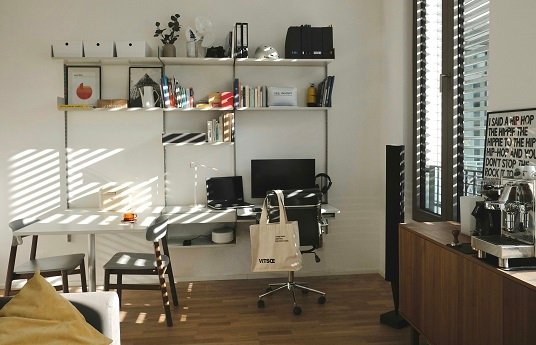

Understanding Your Space Needs
When setting up a home office, the first and foremost step is to evaluate your available space effectively. This assessment allows you to determine how much room you realistically need for your work essentials, including your desk, chair, computer, and any additional equipment or supplies. Start by measuring the area you are considering as a workspace. This could be a spare room, a corner of your living area, or even a basement nook. Knowing the dimensions of your area will help you choose furniture that fits comfortably without overwhelming the space. It is essential to identify potential areas within your home that can be transformed into an efficient workspace. Look for locations that are relatively free from distractions and noise, as this will play a significant role in your productivity levels. If you find that a separate room is not an option, consider utilizing underused corners or areas such as a spacious closet or a section of your bedroom. Any area that provides adequate lighting and a flat surface can typically be adapted for an office setup.
Besides physical dimensions, evaluate the flow of your chosen workspace. The arrangement should facilitate easy access to necessary items and allow for a comfortable working posture. Ensure that your chair and desk alignment promotes good posture to prevent physical strain. Additionally, consider the proximity to electrical outlets for your devices. Having the right equipment within easy reach can significantly enhance your efficiency and overall experience. It is also advisable to be mindful of natural light; choosing a spot that receives adequate sunlight can improve your mood and energy levels while working.
In fostering a conducive working environment, create an atmosphere that is personal yet professional. Implement organizational tools to keep your work area tidy. An organized space not only helps in maintaining focus but also contributes to your overall productivity. Ultimately, understanding your space needs is crucial in establishing a successful home office that meets your work requirements while blending seamlessly into your home environment.
Essential Furniture on a Budget
Creating a functional home office necessitates careful consideration of the furnishings that best suit both your workflow and budget constraints. The primary pieces of furniture that are essential include desks, chairs, and storage solutions. Each component plays a significant role in establishing an efficient workspace.
When selecting a desk, look for options that promote both comfort and productivity. A sturdy writing desk with adequate surface area is vital. Budget-conscious individuals can explore local second-hand stores, online marketplace listings, or even engage in DIY projects to build a custom piece. Many readily available guides provide instructions for assembling desks that cater to specific needs and styles, way to transform inexpensive materials into functional furniture.
The chair is another critical element in a home office setup. An ergonomic chair can significantly enhance comfort during long working hours. However, one need not break the bank to find a suitable option. Many retailers offer budget-friendly alternatives that provide adequate lumbar support and adjustability. Furthermore, refurbished office chairs can be a wise choice, offering quality at a fraction of the original price.
Storage solutions are equally important for maintaining an organized workspace. A combination of shelves, filing cabinets, and storage bins can help keep documents and supplies at hand while minimizing clutter. Utilizing second-hand options can lead to discovering unique pieces that add character to your office. Additionally, consider making your own storage options, such as floating shelves or repurposing items you already own, which can help maximize space effectively.
By exploring various channels for purchasing, including thrift stores, DIY projects, and budget retailers, it is indeed feasible to furnish a home office without overspending, ensuring that the space remains functional, comfortable, and conducive to productivity.
Choosing the Right Technology
Establishing an efficient home office requires careful selection of technological tools that not only enhance productivity but also align with budget constraints. The primary components of a functional home office include computers, printers, and internet setups. Each of these elements plays a crucial role in facilitating effective remote work.
Firstly, the choice of computer is critical. Depending on the nature of your work, you may need a powerful desktop or a portable laptop. It is advisable to consider refurbished models, which offer substantial savings without sacrificing performance. Many manufacturers and retailers have rigorous refurbishment processes that ensure these devices are reliable, often coming with warranties that provide peace of mind.
In addition to the computer, having a high-quality printer can be beneficial, especially for tasks that require printed documents. Affordable printers are available that provide excellent print quality without incurring excessive costs. Look for all-in-one models which can also scan and copy, thereby maximizing functionality while keeping expenses in check.
The significance of a reliable internet connection cannot be overstated. A high-speed internet service is vital for video conferencing, accessing cloud-based applications, and ensuring smooth communication with colleagues. Many service providers offer budget-friendly packages tailored for home use. Additionally, investing in a good router can enhance connectivity and reduce issues related to slow internet speeds.
It is also worth mentioning the software tools that facilitate day-to-day operations. Options like free or affordable productivity suites can provide the necessary tools for document creation, hours tracking, and project management without impacting the budget significantly. Many companies offer basic versions of their software free of charge, and open-source alternatives are also available that can meet various needs efficiently.
By selecting the right technology, including computers, printers, and an adequate internet setup, individuals can create an effective home office while staying within financial limits. Thoughtful consideration of refurbished items and budget-friendly software can make a considerable difference in overall home office efficiency.
Effective Organization Strategies
Creating an efficient and affordable home office requires strategic organization to ensure productivity and streamlined workflows. One of the primary aspects of maintaining an organized work environment is the management of documents and supplies. Implementing effective organization strategies not only maximizes space but also enhances focus while working from home.
A practical approach to organizing is to repurpose items you already have. For instance, old jars, boxes, or containers can serve as excellent storage solutions for office supplies, such as pens, paper clips, or sticky notes. By cleaning and labeling these items, you can create visual cues that simplify access to essential tools. This not only saves money but also encourages a more sustainable way of thinking about office supplies.
Another critical strategy is to develop a filing system that suits your workflow. Categorize documents into distinct folders – such as bills, project files, and receipts – to keep important paperwork easily accessible. Utilizing a combination of physical and digital filing systems can further enhance organization. For digital documents, consider cloud storage services that provide robust options for categorizing and retrieving files efficiently. This dual-system approach eliminates clutter while ensuring vital information is within reach.
Additionally, it’s advisable to designate specific areas within your workspace for various tasks. Having a dedicated spot for meetings, creative work, and administrative tasks can help in mentally segregating different functions. This spatial organization aids in reducing distractions and creates an environment conducive to concentration.
Incorporating these strategies into your routine can significantly improve the functionality and aesthetics of your home office. By embracing organization techniques that are both cost-effective and sustainable, you can cultivate a workspace that reflects efficiency without the burden of unnecessary expenses.
Lighting Considerations for Productivity
Effective lighting plays a crucial role in enhancing productivity within a home office environment. Adequate lighting not only improves visibility but also significantly influences mood and concentration levels. To create an efficient workspace, it is essential to consider several lighting options that cater to varying working styles and preferences.
Maximizing natural light is one of the most effective strategies for enhancing office productivity. Positioning your desk near windows can harness sunlight during the day, reducing reliance on artificial lighting and promoting a healthier work environment. Utilizing sheer window treatments can help diffuse harsh sunlight while still allowing for ample illumination. Additionally, keeping windows clean and unobstructed enables optimum light flow, thus creating a more inviting and energizing workspace.
When natural light is limited, selecting budget-friendly artificial lighting options becomes essential. LED lights are a cost-effective choice, offering energy efficiency and longevity. They come in various styles, from desk lamps to overhead fixtures, providing flexibility for different office layouts. Consider using adjustable desk lamps with dimmers to personalize the light intensity according to your tasks, which can help reduce eye strain during prolonged work periods.
Ambient lighting is another critical consideration. It creates a balanced exposure throughout the room, minimizing shadows and glare that can hinder focus. Complementary lighting sources, such as floor lamps or wall-mounted sconces, can enhance the overall lighting scheme, fostering a comfortable atmosphere conducive to productivity. Incorporating warm light tones can foster a cozy and stimulating environment, aligning with personal preferences while maintaining functionality.
By paying close attention to the lighting considerations outlined above, individuals can optimize their home office spaces. Implementing these strategies will not only improve visual clarity but also boost overall productivity, making remote work more enjoyable and efficient.
Incorporating Personalization on a Budget
Creating a personalized workspace can significantly enhance motivation and creativity, making it an essential element of an efficient home office. Personal touches in decor not only reflect one’s unique identity but also help foster a sense of belonging and comfort, which can lead to increased productivity. However, thinking that these enhancements must come with a high price tag can deter many from personalizing their spaces. Fortunately, there are numerous cost-effective strategies to beautify and personalize an office environment.
One effective approach is to engage in DIY art projects, which can be both enjoyable and economical. This might include painting canvases, creating a gallery wall with framed photos or inspirational quotes, or even crafting sculptures with recycled materials. Utilizing one’s own creativity provides a sense of ownership and achieves a unique aesthetic that mass-produced items simply cannot match.
Incorporating plants is another fantastic way to enliven a home office while remaining budget-conscious. Plants can boost mood and improve air quality, creating a more pleasant workspace. Many indoor plants, such as succulents or pothos, are low-maintenance and can be found at local garden centers or even propagated from existing plants at little to no cost. By thoughtfully placing these green elements around the workspace, individuals can create a vibrant and refreshing atmosphere.
Additionally, displaying personal items that hold sentimental value—such as travel souvenirs, awards, or family photographs—can transform a standard office environment into a reflection of personal experiences and achievements. Arranging these items in a visually appealing way can serve as a conversation starter and provide continual motivation throughout the workday.
In conclusion, personalizing a home office does not have to involve significant expenses. By leveraging DIY projects, incorporating plants, and showcasing meaningful items, anyone can create an inspiring workspace uniquely tailored to their tastes and needs without breaking the bank.
Creating a Distraction-Free Environment
Establishing a distraction-free environment is essential for productivity in a home office setup. One of the first steps to minimize distractions is to identify what typically interrupts your work flow. Common distractions include noise from family members, television, or other household activities. Understanding these interruptions allows you to devise specific strategies to mitigate them.
Setting clear boundaries with family members is crucial. Communicate to them that when you are working, you require uninterrupted time. This may mean designating certain hours as your ‘work time’ where you are not to be disturbed unless it is urgent. Sharing your schedule and work commitments can foster respect for your focused time and lead to fewer interruptions.
Furthermore, creating a designated workspace within your home can help to signal that you are in a work mode. Limit your workspace to a specific area that is separate from leisure activities and encourages concentration. Ensuring that this space is organized and clutter-free will also contribute to a more focused mindset.
Moreover, to further enhance focus, consider implementing a structured daily routine. Develop a work schedule that not only aligns with your productivity peaks but also allows for breaks. Short breaks can be crucial in maintaining your concentration, as they provide necessary mental resets. During your work hours, utilize tools such as noise-canceling headphones or ambient music to drown out distracting sounds.
Lastly, be mindful of digital distractions as well. This includes social media notifications or non-urgent emails that can draw your attention away from tasks. Setting specific times to check emails or use social media can help retain your focus on work-related activities, leading to a more effective and distraction-free workday.
Setting Up a Routine That Works
Establishing a structured daily routine is essential for enhancing productivity, especially when working from home. The absence of a conventional office environment can make it tempting to blur the lines between work and personal time. Therefore, creating a well-organized schedule becomes vital for maintaining focus and achieving a healthy work-life balance.
To start, individuals should begin by defining their most productive hours. Some people may find that they work best during the early morning, while others may prefer the quiet hours of late evening. By identifying peak productivity times, workers can allocate their most demanding tasks to these periods. This approach not only leverages individual strengths but also helps in minimizing distractions that can disrupt workflow.
Another key strategy to incorporate into a daily routine is the importance of taking regular breaks. Short breaks, whether it’s a quick walk, a few moments of stretching, or even meditative practices, can significantly enhance concentration. Research has shown that stepping away from work can rejuvenate the mind, allowing for clearer thinking and better performance when returning to tasks. For many, implementing the Pomodoro Technique—where one works for a set period followed by a short break—can be particularly effective.
Setting priorities is another fundamental aspect of creating an efficient routine. At the beginning of each day, workers can take a few minutes to outline their tasks, categorizing them into urgent and important categories. This step not only helps in avoiding the feeling of being overwhelmed but also ensures that critical deadlines are met without undue stress. Utilizing productivity tools or planners can assist in keeping these priorities visible and manageable.
Ultimately, the goal of setting up a structured routine is to create a balanced work environment where productivity flourishes while allowing for personal time. By being disciplined with time management, scheduling regular breaks, and prioritizing tasks, individuals can develop a sustainable routine that supports both professional achievements and personal well-being.
Review and Adjust Your Setup Regularly
Establishing a home office can be an efficient and cost-effective solution for maintaining productivity. However, it is crucial to recognize that creating an effective workspace is not a one-time task, but rather an ongoing process. Periodically reviewing and adjusting your setup can ensure that it remains conducive to your work habits and productivity.
To maintain an efficient home office environment, begin by assessing your current layout and organization. Take note of what elements are working well for you and which ones are hindering your ability to focus and perform tasks effectively. For instance, consider whether your desk and chair provide the necessary comfort and support. If discomfort is prevalent, investing in ergonomic alternatives may be a prudent adjustment.
Another aspect worth evaluating is the technology you use daily. Are your devices functioning optimally? Regularly updating software and ensuring all equipment is in good working condition can prevent potential disruptions to your workflow. Furthermore, assess whether your internet connectivity meets today’s demands, especially if you frequently engage in video conferencing or download large files.
Moreover, the organization of your workspace plays a significant role in productivity. Shelves, file cabinets, and other storage solutions should promote easy access to documents and supplies without cluttering your desk. A tidy environment can enhance focus, making it easier to concentrate on tasks at hand.
Lastly, remember to be budget-conscious during these adjustments. Many alterations can be made without incurring substantial costs. For instance, reorganizing furniture or repurposing items around your home can greatly enhance your space without the need for additional expenditure. Outsourcing professional organization services is also an option to consider if you can budget for it.
In conclusion, regularly reviewing and adjusting your home office setup is essential for ensuring it continues to meet your productivity needs. By taking the time to reflect on what works and what doesn’t, and making informed and budget-friendly adjustments, you can create a workspace that effectively supports your professional endeavors.