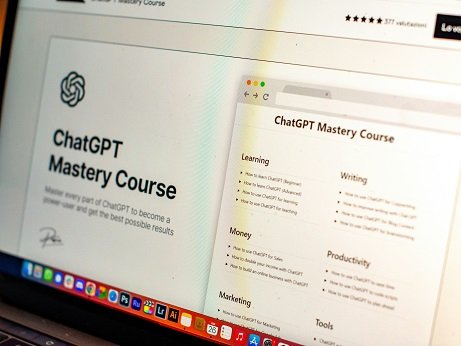

Introduction to Online Learning and Career Advancement
In recent years, online learning has emerged as a pivotal resource for individuals seeking to enhance their professional growth and adapt to the ever-evolving job market. The landscape of education has transformed significantly with the introduction of various digital platforms that offer diverse courses catering to multiple disciplines. These online courses provide a unique opportunity for learners to acquire new skills at their own pace, breaking geographical barriers and delivering education directly to their homes. One of the primary advantages of online learning is its flexibility. Unlike traditional classroom settings, individuals can choose when and where to study, making it easier to balance education with work or personal commitments. This flexibility is especially beneficial for working professionals who wish to upskill or pivot their careers without sacrificing their current employment. The array of courses available online allows users to tailor their learning experiences based on their specific career goals and interests. Moreover, many online learning platforms offer courses that culminate in recognized certifications, which can be powerful tools for career advancement. These certifications serve as tangible proof of an individual’s skills and knowledge, often making them more competitive candidates in the job market. In addition to formal qualifications, learners gain practical experience and insights directly applicable to their fields, enhancing their overall employability.
As industries continue to evolve, particularly with the onset of technological advancements, the demand for upskilling persists. Online learning thus not only equips individuals with current industry knowledge but also promotes a culture of lifelong education, essential for sustaining career growth over time. With this burgeoning realm of education, individuals have the means to take charge of their professional trajectories, ensuring they remain relevant and competitive in their chosen fields.
Identifying Key Skills for Career Development
In the ever-evolving landscape of the job market, acquiring the right set of skills is crucial for career development. Both hard skills and soft skills play a significant role in ensuring professionals remain competitive and relevant in their fields. Understanding which skills are currently in demand can provide a strategic advantage for individuals seeking advancement or transition in their careers.
Hard skills refer to the technical expertise required to perform specific tasks. In today’s technology-driven workplaces, skills such as coding, data analysis, and proficiency in software applications are highly sought after. Industries such as information technology, finance, and healthcare emphasize the need for these technical abilities. For example, knowledge of programming languages such as Python or Java can be a game-changer for IT professionals, enhancing their employability and potential for career progression.
Conversely, soft skills encompass interpersonal abilities that facilitate effective communication and collaboration. Traits like emotional intelligence, adaptability, and problem-solving are increasingly valued by employers across various sectors. In a globalized work environment, the capacity to work well within diverse teams and adapt to changing circumstances has become paramount. Soft skills are often what differentiates candidates with similar technical skill levels; individuals who can demonstrate strong interpersonal communication and leadership abilities are typically more favored.
Moreover, a combination of both hard and soft skills can provide a comprehensive profile that appeals to employers. For instance, someone with strong technical know-how but lacking in communication skills might struggle in team-oriented projects. Conversely, excellent interpersonal skills without the ability to deliver results technically may not suffice in highly technical job roles. Therefore, investing in both these areas can significantly enhance one’s career trajectory.
In conclusion, the demand for a harmonized skill set that includes both hard and soft skills is crucial in securing career advancement. Understanding the current trends in skill requirements across industries can help individuals tailor their learning and development efforts effectively, ensuring they remain competitive candidates in the marketplace.
Top Platforms Offering Career Development Courses
In the ever-evolving job market, acquiring new skills is essential for career advancement. Fortunately, numerous online platforms provide access to high-quality courses that cater to various professional needs. This section explores four prominent platforms: Coursera, Udacity, edX, and LinkedIn Learning, highlighting their unique offerings and course structures.
Coursera has emerged as a leader in the online learning space, partnering with top universities and institutions to deliver a vast range of career development courses. These courses cover diverse topics, from data science to business management, leveraging high-quality content designed by leading experts. Courses often include hands-on projects, quizzes, and peer interactions, allowing learners to gain practical experience while studying.
Udacity, in contrast, focuses on providing nanodegrees that target specific skill sets sought by employers. With a strong emphasis on technology and programming-related fields, Udacity’s courses are project-based, enabling students to build a portfolio of work that demonstrates their proficiency. This platform collaborates closely with industry leaders to ensure course relevance, making it an attractive choice for those looking to pivot into tech roles.
Another prominent platform, edX, offers a diverse range of university-level courses, many of which are free to access. Founded by Harvard and MIT, edX stands out for its rigorous academic standards and a wide variety of disciplines, catering to individuals seeking professional certificates or upskilling opportunities. The platform’s MicroMasters and Professional Certificate programs provide a structured pathway for learners aiming to advance their careers.
Lastly, LinkedIn Learning utilizes a more informal approach, presenting short, digestible courses that cover a wide range of skills, particularly in business, technology, and creative fields. With video tutorials led by industry professionals, this platform is ideal for busy professionals seeking to refresh or acquire skills quickly. Additionally, the integration with LinkedIn permits users to showcase completed courses on their profiles, enhancing their visibility to potential employers.
Recommended Courses for Skill Acquisition in Business and Management
In today’s rapidly evolving job market, enhancing business acumen and management skills is vital for professional growth. Various online courses cater to these needs, making it easier for individuals to acquire the necessary competencies without the constraints of traditional classroom settings. Here, we will explore some of the most effective courses that focus on critical aspects of business management, including project management, leadership, and strategic planning.
One highly esteemed option is the Project Management Professional (PMP) Certification offered by various online learning platforms. This course provides a comprehensive understanding of project management principles, best practices, and the methodologies required to successfully manage projects. With an increasing demand for skilled project managers across industries, this certification significantly enhances employability and equips learners with tools to lead projects effectively.
Leadership skills are crucial for anyone aspiring to take on managerial roles. The Leading People and Teams Specialization by the University of Michigan is an excellent course aimed at developing these essential competencies. This program covers transformative leadership strategies, team dynamics, and conflict resolution, allowing managers to foster a positive work environment and drive team performance.
For those interested in strategic planning, the Strategic Management Certificate from a top-rated institution is an invaluable resource. This course delves into competitive analysis, strategic decision-making, and various frameworks used to formulate strategies within organizations. Gaining expertise in strategic management not only enhances decision-making capabilities but also provides a competitive edge in today’s business landscape.
Additionally, many platforms offer customized learning experiences such as courses on Business Analytics and Digital Marketing. These areas are becoming increasingly relevant in the digital age, emphasizing data-driven decision-making and effective communication of marketing strategies.
Overall, pursuing these recommended online courses can lead to significant skill acquisition in business and management, paving the way for career advancement and a deeper understanding of organizational dynamics. By investing time in personal and professional development through online learning, individuals can enhance their qualifications and better position themselves in their respective industries.
Essential Tech and IT Courses for Career Growth
In today’s rapidly evolving digital landscape, the significance of acquiring robust technical skills cannot be overstated. Essential tech and IT courses are designed to equip both beginners and advanced learners with the necessary expertise to excel in various roles within the industry. A strong foundation in programming is often considered a vital cornerstone for many technology-related positions. Courses in languages such as Python, Java, or C++ not only provide the fundamental skills required for software development but also facilitate problem-solving techniques that are invaluable in the tech field.
Data analysis has emerged as a critical component for businesses seeking to make informed decisions. Courses focusing on data manipulation, statistical analysis, and data visualization tools empower learners with the ability to harness vast amounts of information effectively. The relevance of data-driven decision-making has increased the demand for professionals adept in these areas, making data analysis courses an attractive option for those looking to transition into analytics roles.
Cybersecurity is another pivotal area within tech and IT education. With the rise of digital threats and security breaches, organizations are prioritizing the protection of their data and systems. Courses in cybersecurity equip learners with essential knowledge about network security, ethical hacking, and risk management. Understanding these concepts is crucial for safeguarding sensitive information and ensuring organizational integrity.
Web development courses provide a comprehensive exploration of both front-end and back-end technologies. Learners delve into topics such as HTML, CSS, JavaScript, and server-side programming to create dynamic and responsive websites. The skills obtained through web development courses also promote an understanding of user experience and interface design, contributing to the development of engaging digital platforms.
Overall, engaging in these essential tech courses not only enhances individual skills but also significantly boosts career prospects. By investing in learning opportunities within programming, data analysis, cybersecurity, and web development, individuals can stay competitive in an ever-changing job market. Upskilling in these areas provides a pathway to substantial career advancement and professional growth.
Creative Skills Courses to Diversify Your Portfolio
In the rapidly evolving job market, acquiring creative skills can significantly enhance career opportunities. Online platforms now offer an extensive range of courses aimed at fostering these essential competencies, including graphic design, digital marketing, and content creation. With the right training, individuals can develop a robust portfolio that not only showcases their skills but also sets them apart from competitors.
Graphic design is one area where online courses can have a profound impact. Through various programs, learners can gain proficiency in design software such as Adobe Photoshop and Illustrator. These skills are in high demand across industries, as businesses seek to create compelling visual content for their products and services. By enrolling in graphic design courses, one can learn fundamental design principles and advanced techniques, thus enabling them to create aesthetically pleasing and effective marketing materials.
Digital marketing courses are another vital aspect of skill diversification. These courses typically cover a range of topics, including social media marketing, search engine optimization (SEO), and email marketing strategies. Understanding these areas is crucial for promoting products and services effectively in today’s digital landscape. As companies strive to reach broader audiences, professionals with digital marketing expertise will find themselves in high demand, making this an attractive area for skill enhancement.
Moreover, content creation courses offer valuable training for those looking to excel in writing, video production, and social media engagement. Strong content is the cornerstone of successful online marketing campaigns. By mastering content creation, individuals can effectively communicate their brand message and engage with their audience, leading to improved conversion rates and customer loyalty.
In conclusion, embracing online courses that focus on creative skills is a strategic move for anyone looking to diversify their portfolio. The ability to create compelling visuals, execute effective marketing strategies, and produce engaging content can significantly elevate a professional’s career prospects and provide a competitive advantage in the job market.
Soft Skills Development: Courses That Make a Difference
In today’s competitive job market, technical knowledge alone is often insufficient for career advancement. Employers increasingly prioritize soft skills, which encompass interpersonal attributes and personality traits that facilitate effective communication and collaboration in the workplace. Key soft skills include emotional intelligence, teamwork, problem-solving, and effective communication.
The significance of emotional intelligence in the workplace cannot be overstated. It involves recognizing one’s emotions and the emotions of others, which fosters better teamwork and communication. Courses that focus on enhancing emotional intelligence provide individuals with the tools to navigate workplace dynamics, build relationships, and contribute positively to team environments.
Teamwork is another vital soft skill that greatly influences organizational performance. Courses that teach collaboration strategies and conflict resolution allow professionals to work effectively within diverse teams. Participants learn how to value different perspectives, negotiate effectively, and achieve common goals. These courses not only promote a harmonious work environment but also lead to increased productivity and job satisfaction.
Effective communication stands at the core of most professional interactions. Courses that develop verbal and non-verbal communication skills, including active listening and public speaking, equip individuals with the ability to articulate ideas clearly and confidently. Such courses are essential for those looking to advance into leadership roles, where clear communication is critical for team engagement and motivation.
Furthermore, problem-solving courses teach methods for analyzing challenges and developing innovative solutions. These courses encourage critical thinking and creativity, enabling professionals to approach obstacles with a positive mindset and resourceful attitude. As industries evolve, the ability to troubleshoot effectively has become a sought-after skill that can distinguish an employee from their peers.
In conclusion, investing time in soft skills development through targeted courses not only enhances individual capabilities but also prepares professionals for a successful career trajectory. Employers value these skills, recognizing their impact on team performance and overall organizational growth.
How to Choose the Right Course for Your Career Goals
When considering online courses to advance your career, it is essential to select options that not only align with your career objectives but also cater to your personal learning style. To begin with, assessing your career goals is crucial. Define what skills or knowledge you wish to acquire and how these will contribute to your professional development. This can help narrow your course selection to those that are most relevant.
Next, evaluating the quality of a course is of utmost importance. Start by examining the curriculum to ensure that it covers essential topics related to your field. A well-structured course should outline learning objectives, required materials, and practical assignments that enhance your understanding. Look for programs that offer hands-on projects or case studies as these provide practical insights that can be crucial for career advancement.
Instructor credentials also play a vital role in how to choose the right course. Research the qualifications and professional experience of the instructor. Courses taught by industry experts or experienced educators tend to offer more comprehensive insights and a practical approach to learning. Often, instructors with a solid background can provide real-world examples that make the learning experience more relatable.
Additionally, consider the feedback from other learners. Course reviews can provide a wealth of information about the experiences of past students. Look for testimonials or ratings that highlight the strengths and weaknesses of the course. This feedback can help in assessing the effectiveness of the course in meeting its stated objectives. Active learner communities can also offer support and networking opportunities, further enhancing your learning experience.
In summary, choosing the right online course involves a thoughtful evaluation of your career targets, a thorough examination of course quality, and seeking insights from previous participants. Taking the time to select a course that aligns with your needs can significantly impact your professional trajectory.
Final Thoughts: Embracing Lifelong Learning for Career Success
In today’s rapidly evolving job market, the importance of continuous learning cannot be overstated. As industries transform and new technologies emerge, professionals must adapt to remain competitive. Lifelong learning is not merely a beneficial option; it is a critical component for achieving career success and personal growth. Engaging in online courses allows individuals to acquire new skills conveniently and efficiently, bridging the gap between current expertise and future requirements.
The journey of learning should be viewed as an ongoing process rather than a destination. Investing time in education through various online platforms opens up opportunities for career advancement, enabling individuals to keep pace with industry standards. As job descriptions evolve and new competencies are demanded, the ability to reskill or upskill is vital. Online courses provide the flexibility needed to learn at one’s own pace, fitting seamlessly into a busy lifestyle.
Moreover, embracing lifelong learning fosters adaptability, a characteristic that is invaluable in today’s dynamic workforce. Employers are increasingly seeking candidates who demonstrate a commitment to professional development. By prioritizing continuous education, professionals not only empower themselves but also enhance their employability. The proactive pursuit of knowledge can lead to increased job satisfaction, enhanced performance, and new career opportunities.
In conclusion, the significance of lifelong learning in contributing to career success is profound. By actively seeking out online courses and other educational resources, individuals can cultivate a mindset of resilience and adaptability. This commitment to personal and professional development ensures one remains relevant and prepared for the challenges of an ever-changing work environment. Embrace the journey of acquiring new skills, and take charge of your career trajectory today.