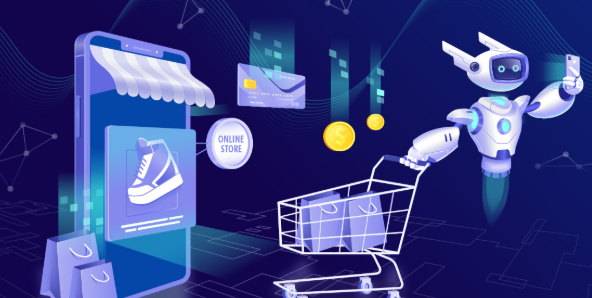

Introduction to AI in E-commerce
Artificial Intelligence (AI) has emerged as a transformative force in many industries, with e-commerce being one of its most significant beneficiaries. Over the years, the online shopping landscape has evolved dramatically, moving from simple transactional websites to complex marketplaces that leverage advanced technologies. This evolution is anchored in the need for personalized customer experiences, streamlined operations, and data-driven decision-making.
At its core, AI encompasses a variety of technologies, including machine learning, natural language processing, and predictive analytics. These technologies enable retailers to process vast amounts of data, recognize patterns, and make predictions that enhance both operational efficiency and customer satisfaction. For instance, AI algorithms analyze consumer behavior, enabling retailers to tailor their offerings based on individual preferences and buying habits.
The significance of AI in online shopping cannot be understated. Traditional shopping methods often lack the level of personalization and convenience that modern consumers now expect. E-commerce businesses are increasingly adopting AI-driven solutions such as chatbots, recommendation engines, and automated inventory management, which help to create a more engaging shopping experience. Chatbots, for example, provide instant customer support and can handle numerous inquiries simultaneously, thereby improving service delivery and customer loyalty.
As AI technologies continue to advance, we can expect to see further enhancements in the online shopping experience. Retailers are now utilizing AI to gain insights into market trends and consumer behavior, allowing them to refine their marketing strategies and optimize product offerings. The integration of AI in e-commerce is not merely a trend but a fundamental shift that is reshaping how consumers interact with brands, make purchases, and ultimately, how retailers operate.
Personalized Shopping Experiences
The rise of artificial intelligence (AI) has significantly transformed the landscape of online shopping by enabling e-commerce platforms to deliver personalized shopping experiences. AI algorithms now have the capability to analyze consumer data, including browsing habits, purchase history, and even social media activity. This robust analysis allows retailers to curate a selection of products that align closely with individual preferences and behaviors.
For instance, platforms like Amazon and Netflix utilize sophisticated AI-driven recommendation systems. On Amazon, when a user searches for a specific product, the website does not simply display generic results; rather, it shows tailored suggestions based on the user’s previous searches and purchases, along with popular trends among similar customers. This not only enhances the user experience but also increases the likelihood of conversions, as individuals are more inclined to engage with products that resonate with their personal tastes.
Similarly, e-commerce giants such as Alibaba leverage AI to provide unique shopping experiences. Their recommendation engines analyze massive datasets to suggest items that users may not have initially considered, effectively guiding them through the shopping journey. This personalized approach is further complemented by AI chatbots that assist customers in real-time, answering queries, and recommending products based on prior interactions.
Another notable example is eBay, which employs AI algorithms to personalize the homepage for its users. Based on user behavior and preferences, eBay curates a near-unique array of product listings that cater to individual tastes. This use of AI not only simplifies the shopping experience for users but also encourages them to explore new products they might find appealing.
In conclusion, the integration of artificial intelligence in e-commerce platforms marks a significant advancement in how consumers shop online. By providing personalized recommendations, these algorithms are not only enhancing the shopping experience but also building stronger connections between consumers and brands, ultimately redefining online retail strategies.
Chatbots and Virtual Assistants
The evolution of technology has significantly influenced the landscape of customer service in online shopping, with AI-driven chatbots and virtual assistants leading this transformation. These sophisticated tools are designed to facilitate instant communication between businesses and consumers, playing a crucial role in enhancing user experience and operational efficiency.
Chatbots, powered by advanced artificial intelligence algorithms, are capable of handling a multitude of customer queries simultaneously. They can provide instant responses to frequently asked questions, guide users through purchasing processes, and even assist with order tracking. This capability drastically reduces the wait times typically associated with customer service interactions, thereby elevating customer satisfaction. Moreover, chatbots operate around the clock, ensuring that assistance is available at any time, which is particularly beneficial for e-commerce platforms positioned in different time zones.
Virtual assistants, on the other hand, take this concept a step further by integrating more personalized interactions. These intelligent systems can analyze customer data to offer tailored recommendations or assist users based on their prior interactions. For instance, a virtual assistant can remind a customer about items they have previously shown interest in or suggest complementary products that enhance their intended purchase. Such personalized service not only fosters a stronger relationship with consumers but also drives sales growth.
The integration of chatbots and virtual assistants in online shopping reflects a larger trend towards automation in customer service. Businesses that adopt these technologies are not only able to streamline operations but also gather valuable insights into consumer behavior and preferences. The data collected can inform marketing strategies and inventory management, leading to more informed decisions that benefit both the company and its clientele.
As artificial intelligence continues to develop, the functionalities and impacts of chatbots and virtual assistants are expected to expand, further shaping the future of customer service in e-commerce.
Inventory Management and Demand Forecasting
The integration of artificial intelligence (AI) into inventory management practices has significantly transformed the landscape of online shopping. Through advanced machine learning models, retailers are now able to enhance their demand forecasting capabilities, leading to more efficient inventory management. By analyzing vast amounts of data, including historical sales patterns, seasonal trends, and even socio-economic factors, these models can predict customer demands with remarkable accuracy.
One of the primary benefits of AI in inventory management is the optimization of stock levels. Traditional methods of inventory management often resulted in either overstocking or stockouts, both of which are detrimental to a retailer’s bottom line. Overstocks tie up capital and increase holding costs, while stockouts can lead to lost sales and diminished customer satisfaction. AI helps to strike the right balance by providing real-time insights into inventory levels, allowing retailers to adjust their stock accordingly.
Furthermore, as AI models continually learn and adapt from new data, they become increasingly effective at managing fluctuations in demand. This dynamic forecasting ability enables retailers to proactively adjust their supply chain strategies, ensuring that they are well-prepared for sudden spikes or drops in product demand. By utilizing AI for demand forecasting, retailers can not only improve their service levels but also achieve substantial cost savings. Less excess inventory means reduced storage costs and improved cash flow, which can be redirected towards other areas of the business.
In conclusion, the impact of artificial intelligence on inventory management cannot be overstated. Retailers adopting AI-driven demand forecasting systems gain a competitive edge by optimizing stock levels while enhancing customer satisfaction, thereby streamlining operations and maximizing profitability.
Visual Search Technology
Artificial intelligence has revolutionized many aspects of our lives, and one of the most compelling advancements in the realm of online shopping is the introduction of visual search technology. This innovation enables consumers to find products simply by uploading images rather than typing in traditional text queries. As a result, it streamlines the shopping experience, caters to consumer preferences, and enhances product discoverability significantly.
Visual search technology employs deep learning algorithms to analyze images and identify products contained within them. By parsing visual elements such as color, shape, and texture, AI systems can match uploaded images with similar items available for sale. This method transcends language barriers and caters to an increasingly visual society, where many consumers prefer images over text. For retailers, adopting this technology can lead to improved engagement and conversion rates, as customers can effortlessly find what they are looking for.
Furthermore, visual search aids retailers in optimizing their product visibility. By making it easier for customers to find products, retailers can capture a larger audience and drive more sales. The integration of visual search tools into eCommerce platforms encourages retailers to maintain high-quality, visually appealing product imagery, which is crucial in attracting potential buyers. Customers are drawn to well-presented products, and visual searches can help highlight these items effectively.
In conclusion, visual search technology powered by artificial intelligence has transformed the online shopping experience. This tool not only enhances consumer convenience by allowing them to find products more naturally but also assists retailers in maximizing their product visibility. As this technology continues to evolve, it will likely play an even more significant role in shaping the future of eCommerce, improving interactions between shopping platforms and consumers alike.
Fraud Detection and Cybersecurity
As online shopping continues to evolve, the incorporation of Artificial Intelligence (AI) is becoming increasingly vital in enhancing cybersecurity measures across various platforms. With the rise of digital commerce comes the unsettling increase in fraudulent activities, necessitating advanced technologies to safeguard both online retailers and consumers. AI plays a pivotal role in detecting and preventing fraud, thereby ensuring secure transactions in the digital marketplace.
One of the primary advantages of utilizing AI in fraud detection is its capability to analyze vast amounts of transaction data in real-time. Machine learning algorithms can assess patterns and identify anomalies that may signal fraudulent behavior. For instance, if a single user exhibits unusual purchasing habits, the AI can alert the system and trigger additional security protocols. This proactive approach allows online shopping platforms to intervene before a fraudulent transaction is completed, thereby minimizing potential losses.
Moreover, AI-driven tools are designed to enhance the overall security of consumer information. By employing sophisticated encryption methods and continuously monitoring user behavior, these systems can protect sensitive data, such as credit card details and personal identification, from cyber threats. AI implementations are not only limited to transaction security; they also contribute to creating a more secure user experience by identifying phishing attempts and fraudulent websites aimed at deceiving shoppers.
In addition to identifying potential threats, AI can also help in establishing safer authentication processes. Techniques such as biometric recognition and two-factor authentication can be integrated with AI insights to further bolster security measures. This multi-layered approach not only provides stronger defenses against cyber threats but also instills greater confidence among consumers in the safety of their online transactions.
With the intersection of AI technologies and online shopping platforms, the development of innovative cybersecurity measures is essential. By harnessing the power of AI, retailers can significantly improve their defenses against fraudulent activities and provide a safer online shopping experience for consumers.
Augmented Reality and Virtual Try-Ons
The integration of augmented reality (AR) in online shopping, particularly within the fashion and beauty industries, is revolutionizing the consumer experience. One of the most significant advancements is the advent of virtual try-ons, which allow users to visualize products on themselves before making a purchase. This technology merges the convenience of online shopping with the interactive elements traditionally associated with physical retail.
Virtual try-ons utilize sophisticated AR technology to create an immersive shopping environment. For instance, consumers can utilize their smartphones or computers to project clothing or beauty products onto their images. This process helps in making more informed purchasing decisions by allowing individuals to see how a specific item would look in a real-world context. As a result, this feature not only fosters engagement but also assists in reducing the uncertainty often felt by online shoppers.
Another critical benefit of virtual try-ons is the enhancement of consumer confidence. By providing a realistic simulation of products, these tools diminish the gap between offline and online shopping experiences. When consumers can visualize themselves in the garments or makeup, they are more likely to feel satisfied with their choices. This boost in confidence may lead to increased sales and lower return rates, which have been a persistent issue in e-commerce. Retailers that embrace AR technology often report significant improvements in customer satisfaction and retention.
Moreover, AR tools can be personalized, tailoring the shopping experience to individual preferences, sizes, and styles. This level of customization further enhances user engagement and satisfaction. By making shopping fun and interactive, businesses are tapping into the potential of augmented reality to transform consumer behavior and buying habits in the online marketplace.
The Future of AI in Retail
The integration of artificial intelligence (AI) into the retail sector is expected to advance significantly, shaping the future of online shopping in profound ways. Emerging technologies such as machine learning, predictive analytics, and natural language processing are set to revolutionize how consumers interact with brands, making shopping experiences more personalized and efficient.
One key trend is the rise of hyper-personalization, where AI algorithms analyze consumer behavior and preferences to tailor product recommendations in real-time. This not only enhances customer satisfaction but also increases conversion rates as shoppers are presented with items that cater to their tastes. Furthermore, the use of chatbots powered by AI will become more refined, enabling 24/7 customer service that can handle queries, provide recommendations, and facilitate transactions seamlessly.
Another significant development is the use of augmented reality (AR) combined with AI, which allows customers to visualize products in their own environments before making a purchase. This technology can diminish the uncertainty often associated with online shopping, potentially reducing return rates and enhancing buyer confidence.
However, the future of AI in retail does not come without ethical considerations. As data privacy concerns grow, retailers must navigate the balance between personalized experiences and consumers’ right to privacy. Implementing robust data policies and transparent practices will be essential to gain consumer trust.
Moreover, challenges related to algorithmic bias and discrimination in AI systems must be addressed to ensure fairness across diverse consumer groups. Continuous monitoring and improvement of AI models will be necessary to prevent unintentional exclusion or bias against certain demographics.
As these technologies evolve, the retail landscape will undoubtedly transform, and stakeholders must be prepared to adapt. The next decade will witness AI reshaping not only the shopping experience but also the foundational practices that drive the retail industry forward.
Conclusion
Throughout this blog post, we have explored the transformative impact of artificial intelligence on the landscape of online shopping. The integration of AI technologies in e-commerce has revolutionized how retailers operate, providing them with advanced tools for data analysis, customer interaction, and inventory management. The insights drawn from customer behavior analytics enable retailers to craft personalized shopping experiences, thus driving customer engagement and satisfaction.
Moreover, AI has significantly enhanced operational efficiency, automating tasks such as order processing and customer support. These advancements not only reduce operational costs but also improve the overall customer experience. By leveraging AI-powered solutions, retailers can respond to market demands in real-time and optimize their inventory based on predictive analytics. This ability to forecast trends and manage stock levels is crucial in a highly competitive retail environment.
The profound effect of artificial intelligence on online shopping is undeniable. With the rapid evolution of technology, these changes are not static; they continue to develop, offering even more sophisticated solutions for both retailers and consumers. As we move forward, it is essential for retailers to stay abreast of AI advancements and adapt their strategies accordingly. Failing to embrace these changes can result in lost opportunities and diminished market presence. The ongoing evolution of AI will undoubtedly shape the future of online shopping, making it more efficient, personalized, and user-friendly. In summary, retailers need to recognize the importance of integrating AI technologies into their business models to thrive in the dynamic world of e-commerce.



 on e-commerce, detailing how AI technologies enhance personalized shopping experiences, optimize inventory management, and revolutionize customer service through chatbots and virtual assistants. Discover the importance of AI in demand forecasting, fraud detection, and the emerging trends of augmented reality in online shopping. As we delve into these advancements, we highlight the future of retail driven by AI, ensuring better customer satisfaction and operational efficiency. Stay ahead in the competitive online marketplace by understanding how AI can reshape your e-commerce strategy for improved engagement and profitability.)