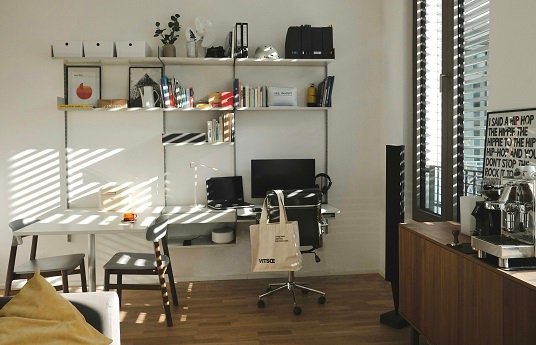

Understanding the Importance of Organization
In today’s fast-paced world, maintaining high levels of productivity can often be challenging, particularly in the confined spaces of a small home. Effective organization is crucial in creating an environment conducive to focus and efficiency. A well-organized space not only facilitates easy access to necessary tools and resources but also fosters a sense of calm and control, which is essential for productive work. The significance of organization in a small home goes beyond mere aesthetics; it directly impacts functionality. When items are systematically arranged, individuals can streamline their daily routines, minimizing the time spent searching for essential materials and reducing stress. This enhanced accessibility allows for better concentration on tasks at hand, significantly improving one’s capacity to accomplish goals within a limited timeframe. Moreover, reducing visual and physical clutter plays a vital role in enhancing focus. In overly disorganized environments, distractions abound, making it challenging to maintain attention on important tasks. A structured layout, characterized by designated areas for specific activities, can mitigate these distractions and create a more favorable environment for work. By investing time in organizing one’s space, individuals can cultivate an atmosphere that supports sustained concentration and productivity.
Additionally, an organized home can contribute to improved time management. When everything has its place, individuals can efficiently move through their tasks without unnecessary interruptions. This organization not only saves time but also encourages a more proactive approach to achieving objectives. As such, the importance of organization in maximizing productivity in a small home cannot be overstated.
Ultimately, the act of organizing one’s environment serves as a foundational step toward enhancing overall efficiency. By prioritizing organization, individuals can transform their small homes into productive havens that support both personal and professional endeavors.
Assessing Your Space and Needs
To maximize productivity in a small home, the first step involves a thorough assessment of your current living space. Identifying areas that contribute to clutter or disorganization is crucial for effective organization. Start by walking through each room and observing the condition of your surroundings. Look for spaces that are crowded with unused items, obstructed pathways, or surfaces overwhelmed by belongings. These areas are potential candidates for improvement.
As you analyze your space, it is also essential to consider your personal needs and habits. Take a moment to reflect on how you currently use each area. For instance, if your dining table is frequently used as a makeshift office, then it may require specific tools that enhance productivity. Recognizing these habits will enable you to tailor your organization strategy to meet your unique lifestyle. Making notes of frequently used items can also expose the need for accessibility.
Furthermore, pay attention to the specific functions of each room. What activities are performed in these spaces, and how might they intersect? For example, a living room can serve as both a relaxation zone and a work area. This dual function creates tension between leisure and productivity unless properly organized. By assessing your home not just on a superficial level but in terms of utility, you can create an organization plan that aligns better with your daily activities.
As you proceed with this evaluation, remember that an effective organization system adapts to both your space and functionalities. Consider integrating multifunctional furniture or designated spots for particular items to minimize chaos. Ultimately, a clear understanding of your environment and needs will serve as the foundation for successfully maximizing productivity in your small home.
Decluttering: The First Step to Organization
Decluttering is a crucial first step in the process of organizing a small home effectively. It involves evaluating the items you own and deciding which ones are essential to keep, which can be donated, and which should be discarded. This can significantly increase productivity by transforming your space into an area that fosters focus and creativity.
To begin the decluttering process, select a specific area or room to tackle first. This might be a closet, drawer, or even a single shelf. A smaller space can make the process feel more manageable and can provide immediate satisfaction once organized. Start by emptying the space completely to gain a clear view of what items are present.
Next, sort items into three distinct categories: keep, donate, and discard. For the ‘keep’ category, ask yourself if the item serves a purpose or brings you joy. Be honest about whether you truly need each item, especially in a small home where space is at a premium. Items that are frequently used or hold significant sentimental value can typically remain.
For the ‘donate’ category, consider items that are in good condition but are no longer used. Donating not only helps you declutter but also benefits others in your community. Local charities, shelters, or thrift stores often welcome donations, providing you with a sense of contribution as you let go of your possessions.
Finally, items that fall into the ‘discard’ category should be those that are broken, damaged, or no longer usable. Proper disposal of such items is essential, whether through recycling or throwing them away, to maintain a clean environment.
In summary, effective decluttering can pave the way to a well-organized and productive small home. By systematically sorting your possessions into keep, donate, and discard categories, you can create a living space that optimally supports your lifestyle and enhances your overall productivity.
Creating Designated Zones for Activities
In a small home, maximizing every inch of space is crucial, and one of the most effective ways to achieve this is by creating designated zones for specific activities. By defining separate areas for working, relaxing, cooking, and exercising, homeowners can enhance both functionality and productivity.
Establishing dedicated zones helps individuals mentally associate each space with a particular activity. For instance, having a workspace that is distinct from relaxation areas can improve focus and reduce distractions. When you sit down at your desk, your brain understands that it is time to work, whereas entering a cozy corner with a comfortable chair signals a break or leisure time. This partitioning allows for better concentration during work hours and fosters relaxation when it’s time to unwind.
Another benefit of designating specific areas in a small home is the efficient use of space. When planning these zones, consider the layout and functionality of each area. For example, a small kitchen can benefit from a cooking zone that is organized with necessary utensils and appliances, while a living room can be transformed into a multi-purpose area suitable for both relaxation and socializing. Similarly, a corner of the bedroom can be set up as a personal workout space, equipped with compact exercise equipment.
Moreover, defining zones encourages a sense of order and tidiness. When each area serves a specific purpose, it becomes easier to maintain organization. Implementing clever storage solutions, such as multifunctional furniture or built-in shelves, can further optimize each zone without cluttering the space. As a result, a well-organized home not only looks appealing but also contributes significantly to overall productivity.
In conclusion, creating designated zones for various activities is a vital strategy for improving productivity in a small home. This approach enhances focus, makes efficient use of available space, and nurtures an organized living environment, ultimately leading to a more balanced and productive lifestyle.
Utilizing Vertical Space for Storage
In small homes, every inch counts, and one of the most effective strategies for maximizing productivity is to utilize vertical space for storage. Vertical storage solutions can dramatically transform cluttered spaces by drawing the eye upward and creating an illusion of width and height. By capitalizing on the often-overlooked vertical areas, homeowners can significantly enhance organization and free up much-needed floor space.
One of the simplest yet impactful ways to utilize vertical space is by installing shelves. Floating shelves can be placed in living rooms, kitchens, or even bathrooms to hold books, décor, or essentials, thereby freeing up larger surfaces such as tables and counters. Additionally, shelves can be customized to suit specific needs, from open shelving that displays decorative items to closed cabinets that can conceal everyday clutter.
Another creative solution involves the use of wall hooks. Hooks can be installed in entryways, bedrooms, and kitchens for hanging items such as coats, bags, utensils, or even pots and pans. This not only keeps frequently used items easily accessible but also maximizes wall real estate without taking up valuable floor space. For instance, a simple row of hooks in a mudroom can streamline the organization of shoes and outerwear, making the area appear neater and more welcoming.
Hanging organizers offer another versatile approach to making the most of vertical space. These can range from over-the-door organizers for shoes or cleaning supplies to wall-mounted racks for spices or tools. Such organizers not only keep items visible but also make them easily reachable, reducing the time spent searching for necessities. In small kitchens or bathrooms, where space is often at a premium, these solutions can lead to a more efficient working environment.
By integrating these vertical storage solutions, homeowners can create a more organized and functional living space. This shift to utilizing walls for storage can undoubtedly enhance daily routines, contributing to a more productive and pleasant home atmosphere.
Incorporating Multi-Functional Furniture
In a small home, maximizing available space is a priority, and one effective strategy is the integration of multi-functional furniture. This innovative approach not only enhances organization but also transforms a modest living area into a versatile and functional environment. Essentially, multi-functional furniture serves more than one purpose, thereby reducing clutter while increasing usability.
For instance, a sofa bed is an excellent example of multi-functional furniture. During the day, it serves as a comfortable seating area for family and friends, and at night it seamlessly converts into a bed for guests. This dual capability eliminates the need for a separate guest room or additional bedding, thus saving precious space.
Another example includes ottomans that offer hidden storage. These versatile pieces can serve as footrests, additional seating, or even coffee tables, while simultaneously storing items like blankets, magazines, or games inside. This clever solution keeps small living spaces tidy and organized, providing the dual benefit of functionality and aesthetic appeal.
Moreover, dining tables with extendable features present another excellent option for small homes. They can be compact for everyday meals but can expand to accommodate larger gatherings when needed. This adaptability ensures that homes can remain both welcoming and organized without the need for bulky, dedicated furniture.
Furthermore, wall-mounted desks and foldable tables represent another facet of multi-functional furniture. When not in use, these pieces can be tucked away, preserving floor space and allowing for a more open atmosphere. This is particularly beneficial in areas where space is limited, such as small apartments or studio layouts.
Incorporating multi-functional furniture into a small home significantly optimizes space and improves overall functionality. By choosing pieces that serve dual purposes, homeowners can create a sophisticated yet practical living environment that promotes productivity and organization.
Establishing an Organization System
Creating a sustainable organization system in a small home is essential for maximizing productivity and ensuring that individual lifestyles are accommodated. Such a system not only helps maintain order but also allows residents to easily locate items, reducing time lost in searching for necessary belongings.
One of the first steps in establishing your organization system is to assess your personal lifestyle and needs. Consider your daily routines, the types of activities you engage in regularly, and the specific items you need access to. This assessment will help you decide which areas of your home require more attention and organization.
Labeling is a critical aspect of any effective organization system. Clear and concise labels can significantly enhance both usability and aesthetic appeal. Use labels to categorize contents of storage bins, drawers, and shelves, making it easier for everyone in the household to identify where items belong. Additionally, consider using a label maker or printed labels for a clean and uniform look, which can contribute to a more visually appealing environment.
Color-coding is another powerful tool that can streamline your organization efforts. By assigning different colors to specific categories, you can easily distinguish among items. For example, using blue bins for office supplies, red for seasonal items, and green for personal care products can simplify your organizational structure, making retrieval straightforward and intuitive.
Storage bins play a vital role in maintaining a tidy space. Choosing bins that fit your available space, such as under-bed storage or vertical shelving solutions, can help utilize every inch of your home efficiently. Ensure that the bins are not only functional but also align with your style preferences to facilitate sustainability. Regularly revising and updating your organization system is equally important; as your needs change, so too should your organizational strategies, ensuring continued productivity in your small home.
Maintaining Organization Over Time
In any small home, maintaining organization is a continuous process that requires dedication and regular attention. Effective strategies for keeping a living space organized long-term involve establishing routines that not only ensure tidiness but also prevent clutter from accumulating.
One crucial strategy is to create a cleaning and maintenance schedule that promotes consistent organization efforts. This could include setting aside time each week for tasks such as decluttering spaces, reorganizing areas that might have become disordered, and assessing the effectiveness of the current organizational system. Such routines not only keep the home tidy but also foster a culture of mindfulness towards belongings.
Another essential aspect is to conduct regular assessments of the living space. This involves taking inventory of items and evaluating their necessity and functionality. Are there items that are no longer in use or belong to a specific season? By identifying and removing these items on a regular basis, homeowners can ensure that only the essentials are retained. Consider implementing a “one in, one out” policy for new purchases, which helps to maintain balance and prevents the reaccumulation of clutter.
Furthermore, it is vital to reinforce the practice of proper storage solutions. Investing in versatile storage containers that fit well with the home’s aesthetics can encourage individuals to store items neatly instead of leaving them out. Regularly reminding yourself of the importance of maintaining an organized space can serve as motivation to adhere to these routines.
In conclusion, maintaining organization over time in a small home is achievable with consistent strategies such as routine maintenance, regular assessments, and effective storage solutions. By committing to these practices, individuals can create a harmonious living environment free from clutter, enhancing both productivity and well-being in their home.
The Psychological Benefits of an Organized Space
Maintaining an organized living environment goes beyond mere aesthetics; it significantly impacts mental health and overall well-being. An organized space promotes serenity and clarity, presenting numerous psychological benefits that contribute to reduced stress levels and enhanced productivity.
Firstly, an organized home fosters a sense of control. When belongings are systematically arranged, individuals experience less chaos, leading to decreased anxiety. The human brain often reacts negatively to clutter, as it can create a feeling of being overwhelmed. By creating a tidy and organized environment, individuals can alleviate that pressure and concentrate better on tasks at hand.
Moreover, a neat space can enhance focus and efficiency. When distractions are minimized through an organized layout, it’s easier to stay engaged with work or personal projects. The act of organizing can also serve as a form of meditation, allowing individuals to clear their minds while tending to their environment. This mental clarity often translates into increased creativity and productivity, as individuals are better able to think clearly and make decisions without the hindrance of visual clutter.
Additionally, having an organized living space can lead to improved mood and overall psychological health. Studies have shown that individuals in tidy environments report higher levels of satisfaction and lower levels of stress. This relationship between organization and mental well-being highlights the importance of creating spaces that are conducive to safety and tranquility.
In conclusion, the psychological benefits of maintaining an organized living environment cannot be overstated. A neat home contributes to lower stress levels, greater focus, and improved emotional health, all of which collectively lead to enhanced productivity in everyday life.