
Understanding the Importance of Healthy Eating
Maintaining a healthy diet is fundamental to achieving overall well-being. The benefits of good nutrition extend beyond just physical health; they significantly impact mental wellness and emotional stability. By consuming a balanced diet, individuals equip their bodies with essential nutrients that foster optimal functioning.
A healthy diet contributes to a range of advantageous outcomes, such as improved energy levels, better immunity, and enhanced cognitive function. When the body receives adequate vitamins, minerals, and other nutrients, it can perform at its best, allowing individuals to engage actively in daily activities. Moreover, nutritious meals play a critical role in the prevention of chronic diseases, such as diabetes, heart disease, and obesity. These conditions can result from unhealthy eating patterns, making the case for prioritizing nutritious foods in daily life.
Furthermore, healthy eating has a profound influence on mental health. Research indicates that a well-balanced diet can reduce symptoms of depression and anxiety. Foods rich in omega-3 fatty acids, antioxidants, and vitamins are instrumental in promoting neurotransmitter functions that affect mood regulation. Consequently, individuals who make conscious dietary choices often report higher levels of happiness and a more positive outlook on life.
In light of these factors, it is clear that food is not merely fuel but a vital component influencing physical and mental well-being. Embracing healthy eating habits can lead to a more vibrant lifestyle, characterized by better health and enhanced quality of life. Assessing what one eats is essential; making deliberate choices about nutrition can yield lifelong positive effects. Incorporating everyday ingredients into meals can also contribute to a sustainable and healthy eating pattern, ensuring that nourishment becomes an integral part of daily routines.
Key Principles of Meal Preparation
Meal preparation is an essential part of maintaining a healthy diet. By understanding the foundational concepts of meal prep, individuals can create nourishing meals that support their overall wellness. The first principle of effective meal preparation is planning. Planning your meals in advance not only saves time but also ensures that you are making conscious choices about the ingredients you use. When planning, consider the nutritional needs of yourself and your family, taking into account dietary restrictions and preferences.
Next, portion control plays a significant role in meal preparation. By determining appropriate serving sizes, you can avoid overeating and ensure that your meals are balanced. This is vital for maintaining a healthy weight and preventing the consumption of excessive calories. Utilizing measuring tools or portion control containers can assist in accurately sizing your servings. Understanding portion sizes also supports mindful eating, allowing for greater appreciation of flavor and satisfaction from meals.
Another important aspect of meal prep is the balance of macronutrients—carbohydrates, proteins, and fats. A well-rounded meal should include a proper proportion of these macronutrients to supply your body with the energy and nutrients it requires. Vegetables and fruits are key components that should accompany each meal for their essential vitamins, minerals, and fiber content. Balancing these nutrients not only supports physical health but can also enhance mental well-being.
Incorporating diverse foods into your meal prep can help ensure you receive a range of nutrients. By experimenting with various grains, proteins, and fresh produce, you can create meals that are both satisfying and nutritionally complete. By prioritizing planning, portion control, and the balance of macronutrients, meal preparation becomes an effective strategy for fostering healthy eating habits and enabling individuals to thrive.
Choosing Healthy Ingredients
When crafting nourishing meals, the selection of healthy ingredients plays a critical role. It is essential to choose ingredients that not only enrich the meals but also contribute to overall well-being. One effective approach is to prioritize whole foods, which are minimally processed and rich in essential nutrients. Examples include fruits, vegetables, whole grains, nuts, and seeds.
Reading food labels is another vital skill that can enhance your grocery shopping experience. By understanding nutrition labels, one can make informed choices about the quality of the food being purchased. Key components to look out for include the list of ingredients, where shorter lists often indicate fewer additives and a higher likelihood of whole food content. It is advisable to select items with identifiable ingredients, as this usually signifies a product that is closer to its natural state.
Furthermore, it can be beneficial to pay attention to the nutrition facts on labels. This includes monitoring levels of sugar, sodium, and saturated fats, as excessive amounts of these components can lead to health issues over time. Opting for products that are low in these areas but high in fiber and protein can create healthier meals that satisfy hunger while providing necessary nutrients.
In addition to reading labels, understanding seasonal and local produce can also guide ingredient selection. Buying seasonal vegetables and fruits not only supports local agriculture but often results in fresher and more nutritious options. Integrating these ingredients into meals leads to the enjoyment of flavors that are at their peak.
Ultimately, selecting healthy ingredients involves a conscious effort to focus on whole, minimally processed foods while being informed about nutritional labels. This practice not only enhances the quality of meals prepared but also fosters a healthier lifestyle overall.
Meal Prepping Basics for Beginners
Meal prepping is an effective strategy to streamline your cooking process, enabling you to create nourishing meals with everyday ingredients efficiently. For beginners, embarking on the meal prep journey can be simple by following several key steps.
The first step in meal prepping is thorough planning. This involves deciding which meals you want to prepare for the week. Start by selecting recipes that are not only nutritious but also utilize similar ingredients, as this can lower your grocery costs and minimize waste. Keep in mind that incorporating a variety of proteins, vegetables, and whole grains will ensure a balanced diet.
Once you have your meals planned out, develop a shopping list. This list should include all the necessary ingredients for your chosen recipes. It is advisable to categorize the items based on the sections of the grocery store (e.g., produce, dairy, grains) to save time while shopping. Consider stockpiling pantry staples such as olive oil, spices, and canned beans to facilitate future meal preparations.
After acquiring your groceries, the next phase involves efficient cooking techniques. Batch cooking is highly recommended, where you prepare multiple servings of each meal at once. This can be done by roasting several trays of vegetables or boiling a large pot of grains simultaneously. Additionally, utilizing tools such as slow cookers or Instant Pots can drastically cut down cooking time and allow for less hands-on involvement.
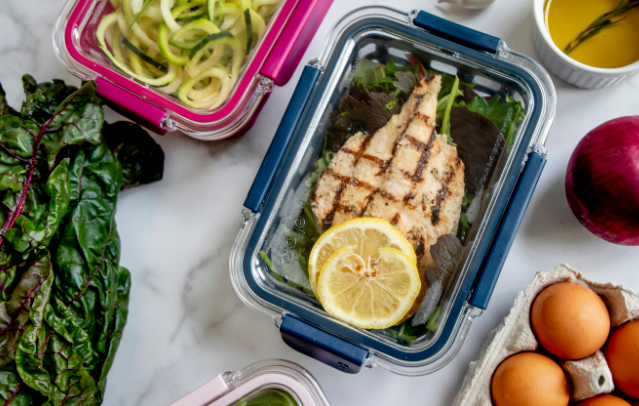
Following cooking, it is important to store your food properly to maintain freshness and flavor. Invest in high-quality containers that are microwave and dishwasher safe. Portioning meals into individual servings can make it easier to grab and go, which is particularly helpful during busy weeknights.
By following these foundational steps of meal prepping—planning meals, creating a shopping list, and employing efficient cooking methods—you can develop a sustainable routine that enhances your ability to prepare wholesome meals throughout the week.
Creative Simple Recipes for Healthy Meals
Crafting healthy meals does not necessitate complex recipes or hard-to-find ingredients. In fact, many nutritious dishes can be prepared using items you likely have in your pantry or refrigerator. Below, we explore a variety of easy and healthy recipes that emphasize simplicity and flavor, ensuring you can enjoy nourishing meals on a daily basis.
One delightful recipe is a Vegetable Stir-Fry. Simply chop your favorite vegetables such as bell peppers, broccoli, and carrots and sauté them in a pan with olive oil, garlic, and a splash of soy sauce. This colorful dish is packed with vitamins and can be served over brown rice or whole grain noodles for added fiber.
Another crowd-pleaser is the popular Quinoa Salad. Start by cooking quinoa according to package instructions. Once it cools, mix it with diced cucumbers, tomatoes, and parsley. Dress it with a squeeze of lemon juice and a drizzle of olive oil for a refreshing and nutritious meal that is perfect for lunch or as a side dish at dinner.
Oven-Baked Chickpeas provide a crunchy snack alternative to chips. Rinse and drain canned chickpeas, then toss them in olive oil, salt, and your choice of spices—cumin, paprika, or garlic powder work well. Bake them at 400°F for about 20-30 minutes until golden brown and crispy.
For a satisfying breakfast option, consider Overnight Oats. Combine rolled oats with yogurt or milk, and add your favorite fruits like bananas or berries. Leave it in the refrigerator overnight, and you will wake up to a quick, healthy meal that is both delicious and filling.
These recipes highlight how you can enjoy delicious, nutritious meals without elaborate preparations or exotic ingredients. By utilizing simple and familiar components, it’s possible to create a varied menu that contributes to a balanced diet.
Incorporating Variety and Flavor
Variety in meals plays a crucial role in maintaining not only interest in food but also a balanced diet. Consuming a diverse array of ingredients not only prevents meal fatigue but also ensures that one receives a wide spectrum of essential nutrients. A monotonous diet can lead to boredom, making it more challenging to stick to healthy eating habits. Thus, incorporating various ingredients is vital for both enjoyment and nutritional adequacy.
To keep meals exciting, it’s essential to experiment with different fruits, vegetables, grains, and proteins. For example, rather than always opting for the same type of vegetable, consider rotating between seasonal produce, which can provide different vitamins and minerals while also supporting local agriculture. Incorporating legumes, nuts, and seeds can add new textures and flavors to your meals, further enhancing their appeal.
Flavoring foods without adding excess calories is another critical aspect of creating enjoyable meals. Utilizing herbs and spices is an excellent approach to achieving this goal. Fresh herbs such as basil, cilantro, or parsley can lift the taste profile of a dish significantly while contributing minimal calories. Meanwhile, spices such as cumin, paprika, and turmeric can add depth and warmth, transforming a simple ingredient list into a gourmet experience.
Moreover, incorporating citrus juices or vinegars can add brightness to dishes, balancing flavors with a refreshing zing. For instance, a squeeze of lemon over steamed vegetables can enhance their natural sweetness without the need for fatty sauces. Experimenting with different preparation methods, such as grilling, roasting, or steaming, can also highlight unique flavors and encourage the use of a variety of ingredients.
Hence, to foster a nourishing and enjoyable meal experience, it is important to consciously integrate variety into one’s diet. This practice not only safeguards against culinary boredom but also enriches overall nutrition, fulfilling the body’s diverse needs effectively.
Storing and Reheating Meals Safely
Effective food storage and reheating techniques are essential in preserving the quality of prepared meals while ensuring safety from foodborne illnesses. To start with, cooling and storing meals properly significantly impacts their lifespan. After cooking, it is vital to cool food quickly before placing it in the refrigerator or freezer. You should aim to bring the temperature down to 70°F (21°C) within two hours and to 41°F (5°C) or lower within the next four hours. Using shallow containers allows for faster cooling by increasing the surface area that the cool air can reach.
Once the meal is properly cooled, it can be stored in the refrigerator or freezer. In the refrigerator, meals can generally last for up to three to four days, while properly sealed frozen meals can be stored for several months without compromising their taste and nutritional value. Always label containers with dates to keep track of freshness. If any leftovers show signs of spoilage, such as unusual odors or discoloration, they should be discarded immediately.
Thawing frozen meals should be done safely to maintain food quality. The safest method is to thaw meals in the refrigerator, which prevents any significant temperature increase that could promote bacterial growth. This method may take several hours, so planning ahead is crucial. Another acceptable method is using cold water to thaw food; however, it requires that the food be in a tightly sealed packaging and should be cooked immediately after thawing. For quicker options, using a microwave setting on defrost is effective but requires immediate cooking post-thawing.
When it comes to reheating, always ensure that meals reach an internal temperature of 165°F (74°C) to safely eliminate harmful bacteria that may develop during storage. It is wise to stir or rotate food halfway through the reheating process, especially in a microwave, to achieve even heating. Proper reheating techniques are critical in maintaining both the safety and quality of the meals you enjoy.
Adapting Recipes for Dietary Needs
Creating meals that cater to different dietary requirements is essential in promoting inclusivity in healthy eating. As the awareness of dietary needs continues to grow, many home cooks are now faced with the challenge of adapting recipes to accommodate gluten-free, vegetarian, and low-sodium diets, among others.
When it comes to gluten-free cooking, the key lies in substituting traditional grains with gluten-free alternatives. Popular options include brown rice, quinoa, and gluten-free flours such as almond or coconut flour. It is important to note that these substitutions can alter the texture and flavor of recipes, so careful experimentation may be necessary to achieve the desired result. Additionally, always check labels for hidden gluten in condiments and packaged goods.
Vegetarian diets can also be easily accommodated by substituting meat with plant-based proteins. Lentils, chickpeas, tofu, and tempeh are excellent sources of protein that can enhance the nutritional value of a dish while ensuring it remains satisfying and hearty. Furthermore, enhancing the flavors with aromatic herbs and spices can elevate vegetarian meals and make them as appealing as their meat-based counterparts.
For those monitoring sodium intake, the use of fresh herbs and spices becomes essential for flavoring dishes instead of relying on salt. Preparing meals with whole, unprocessed foods not only supports a low-sodium diet but also promotes overall health. Experimenting with citrus, such as lemon and lime, can contribute acidity and brightness to dishes, allowing you to enjoy flavorful meals without the excessive sodium content.
In the kitchen, modifications require creativity and an understanding of ingredient properties. It is often helpful to research various adaptations before beginning a recipe. This will assist in maintaining the meal’s essence while meeting specific dietary needs. Ultimately, the goal is to provide tasty and nourishing meals for everyone, regardless of their dietary restrictions.
Establishing a Sustainable Meal Prep Routine
Creating a sustainable meal prep routine is essential for anyone seeking to nourish themselves effectively, especially when utilizing everyday ingredients. The key to an effective meal prep strategy is consistency and planning. To begin, it is advisable to carve out specific times during the week dedicated solely to meal preparation. This can be a few hours on a Sunday or any day that fits within your lifestyle. By blocking out these times on your calendar, it becomes a priority and a regular part of your schedule.
Another vital aspect is to start simple. When beginning your meal prep journey, choose a few easy recipes that can be scaled up. Utilizing batch cooking techniques can save time and reduce the frequency of cooking during the week. For example, preparing a larger portion of grains, proteins, or vegetables can create a variety of meals throughout the week. These staple ingredients can easily be incorporated into different recipes, providing variety without overwhelming your cooking schedule.
Moreover, keeping your pantry stocked with basic staples ensures that you have the necessary ingredients on hand. This can include grains like rice or quinoa, canned legumes, frozen vegetables, and a variety of spices. A well-stocked pantry allows for flexibility in meal options and makes meal prep more seamless.
To maintain motivation, consider involving family members or friends in the meal prep process. This creates an opportunity for social interaction while encouraging accountability. By sharing recipes and meal ideas with others, you can infuse new energy into your routine. Additionally, tracking your progress and celebrating small achievements can help keep you engaged with your meal prep goals.
By strategically planning your week, starting with simple recipes, and fostering a supportive environment, you can establish a sustainable meal prep routine that nourishes your body and fits into your lifestyle. This approach not only enhances the quality of your meals but also promotes a lasting commitment to healthy eating.