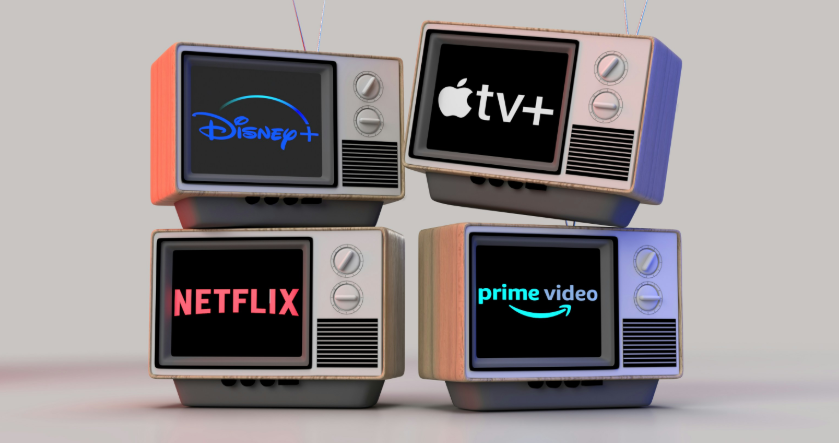

Introduction to Streaming Services
Streaming services have transformed the landscape of entertainment, offering viewers unprecedented access to a vast array of content. These platforms deliver media over the internet, allowing users to watch movies, television shows, and listen to music on-demand, significantly shifting traditional media consumption from physical formats to digital streaming.
The emergence of streaming services can be traced back to the late 1990s with services like RealNetworks and the introduction of broadband internet, which made it feasible to stream high-quality audio and video content. However, it was not until the launch of platforms such as Netflix in the early 2000s that streaming began to proliferate as a primary mode of entertainment consumption. This pivotal moment marked a shift in how media was distributed and consumed, allowing users to watch entire seasons of shows at once and leading to a culture of binge-watching.
Today, there is a diverse range of streaming platforms available. Major players include subscription-based services like Amazon Prime Video and Hulu, ad-supported services such as Tubi, and niche platforms catering to specific genres or audiences, such as Crunchyroll for anime enthusiasts. Additionally, many cable networks have developed their own streaming options, enabling viewers to access their content online, further blurring the lines between traditional and digital media. As a result, streaming services have not only changed viewer habits but have also compelled traditional media companies to adapt or risk losing their audience entirely.
In summary, streaming services signify a monumental shift in the entertainment industry, characterized by their convenience, variety, and accessibility, shaping the future of how audiences engage with content.
Shift in Consumer Behavior
The advent of streaming services has significantly transformed audience consumption patterns in recent years. One of the most notable changes observed is the rise of binge-watching. Platforms like Netflix and Hulu have redefined how content is consumed, allowing viewers to watch entire seasons of their favorite shows in one sitting. This practice not only enhances viewer engagement but also alters the way content creators produce series, with many now crafting episodes to encourage continuous viewing.
On-demand viewing represents another crucial shift in consumer behavior. Unlike traditional television, which relies heavily on scheduled programming, streaming services offer viewers the flexibility to watch content at their convenience. This shift has led to a decline in traditional viewership habits, such as appointment television, where audiences would plan their schedules around specific showtimes. As a result, viewers are increasingly prioritizing convenience and personalized viewing experiences over the communal aspect of watching shows as they air.
Furthermore, this evolution in viewing habits has led to significant implications for advertising and marketing strategies. With the rise of ad-free subscription models, many brands have adjusted their approaches, opting for product placements and sponsorships integrated seamlessly within the content. This evolution highlights a growing understanding that audiences are more receptive to content that aligns with their viewing experiences rather than disruptive commercial breaks.
This dramatic shift in consumer behavior signifies a broader cultural transition influenced by technology and changing viewer preferences. Streaming platforms not only cater to the demands of modern audiences but also pave the way for innovations in storytelling, ensuring that entertainment remains accessible and engaging. As streaming continues to evolve, it will be imperative to monitor how these consumption patterns further develop and influence the entertainment landscape.
The End of Cable Television?
The landscape of television has dramatically shifted in recent years, with streaming services emerging as viable alternatives to traditional cable television. This evolution has led to significant changes in how viewers consume content and has raised questions about the future of cable subscriptions. The phenomenon commonly referred to as “cord-cutting” is becoming increasingly prevalent as consumers opt for the flexibility and affordability offered by streaming platforms.
Statistics reveal a concerning trend for cable television providers. With the rise of streaming giants such as Netflix, Hulu, and Amazon Prime Video, many Americans have chosen to cancel their cable subscriptions in favor of on-demand content. According to industry reports, tens of millions of households have made the switch from cable to streaming services over the past decade. This shift not only signifies a change in consumer preferences but also indicates a reassessment of media consumption habits.
The decline in cable television subscriptions has been accompanied by a noticeable drop in viewership. Research indicates that many cable networks are experiencing significant losses in audience numbers, as younger generations increasingly turn to online platforms for their entertainment. In fact, surveys show that millennials and Generation Z viewers are more likely to rely on streaming services than traditional television, a trend that is expected to continue shaping the media landscape for years to come.
As cable providers grapple with these changes, many are exploring ways to adapt by offering their own streaming services or bundling options. Despite these efforts, the overall trajectory appears to favor streaming platforms, which provide users with greater control over their viewing choices.
In conclusion, the impact of streaming services on cable television has ushered in an era of transformative change. With a continuing decline in cable subscriptions, it remains to be seen how traditional networks will reinvent themselves in an increasingly digital world.
Original Content Creation
The advent of streaming services has significantly altered the entertainment landscape, particularly in the realm of original content creation. Platforms such as Netflix and Amazon Prime have disrupted traditional media models by heavily investing in exclusive shows and movies. This strategic shift towards original programming has not only defined their brand identities but also changed how audiences engage with content.
Historically, networks and studios relied heavily on licensed content, often re-airing established television shows and films that had proven popular. However, with the emergence of streaming platforms, there has been an uptick in the demand for unique and original content. Netflix, for instance, has allocated billions of dollars towards producing its own films and series, resulting in a remarkable library that is solely their own. Such investments have enabled them to create flagship series, such as “Stranger Things” and “The Crown,” which have garnered critical acclaim and substantial viewership.
Moreover, Amazon Prime has similarly increased its expenditure on original content, producing high-profile series like “The Marvelous Mrs. Maisel” and significant films that compete in major award circuits. This trend underscores a pivotal moment in entertainment history, as both of these companies have transitioned from mere distributors of content to creators who generate new properties that set the tone for future productions.
The impact of original content extends beyond mere availability; it influences viewer expectations and consumption patterns. Audiences are increasingly drawn to platforms that offer fresh narratives and diverse storytelling, which has compelled traditional networks to pivot and develop original programming of their own. This shift highlights the power that streaming services wield in the contemporary entertainment ecosystem, reshaping the production landscape for the foreseeable future.
Global Reach and Accessibility
The emergence of streaming services has fundamentally transformed the landscape of entertainment, significantly enhancing global access to content. In the past, entertainment consumption was often restricted by geographical boundaries, with access limited to certain regions or countries based on distribution rights and availability. However, with the rise of digital platforms, these geographical barriers have been effectively dismantled. Streaming services provide users the ability to watch movies and television shows from anywhere in the world, anytime they choose, as long as they have an internet connection.
These platforms are also breaking new ground by offering content in various languages and formats, catering to a diverse audience that includes viewers from different cultural backgrounds. This vast array of content has allowed users to engage with entertainment that reflects their own experiences, as well as to explore narratives and stories from around the world. Services like Netflix, Hulu, and Amazon Prime Video have invested heavily in local content production, showcasing not only popular global hits but also regional favorites that resonate with specific audiences.
As streaming services broaden their libraries to include international films and series, they encourage cross-cultural exchange and understanding. Viewers are exposed to new languages, traditions, and storytelling techniques, enriching their viewing experience. Furthermore, the accessibility of subtitles and dubbing has made it easier for audiences to enjoy foreign entertainment, thus expanding the appreciation of diverse cultures through film and television. This accessibility signifies a significant shift in how entertainment is consumed and enjoyed across the globe.
The ongoing evolution of streaming technology continues to innovate and enhance user experience, pushing further towards a more interconnected and multicultural entertainment landscape.
The Role of Data Analytics
In recent years, the landscape of entertainment has drastically changed, primarily due to the rise of streaming services. A pivotal aspect of this transformation is the utilization of data analytics, which has become a central tool for understanding viewer preferences and behaviors. Streaming platforms collect vast amounts of data on their users, from viewing habits and patterns to engagement levels across various titles. This data-driven approach enables companies to tailor their content offerings to meet the demands of the audience effectively.
By analyzing viewer data, streaming services can determine which genres, themes, and storylines resonate most with their audiences. For instance, data analytics can identify trends in content consumption, such as the popularity of crime dramas over romantic comedies, allowing platforms to make informed decisions regarding their programming. Moreover, this analysis informs the creation of new original content, ensuring that producers align their projects with audience expectations, thereby maximizing potential viewership and engagement.
Furthermore, data analytics enhances user experience by personalizing recommendations. Streaming services employ sophisticated algorithms that suggest shows and movies based on a user’s viewing history and preferences. This customization not only keeps viewers engaged but also encourages them to explore new content that they might otherwise overlook. Engaging with accurate suggestions fosters a deeper connection between users and the platform, resulting in higher retention rates.
In summary, data analytics plays a crucial role in the streaming revolution by guiding content creation and optimizing user experience. As platforms continue to evolve and competition intensifies, the effective use of analytics will be vital in not only maintaining viewer satisfaction but also in shaping the future of entertainment.
Challenges Faced by Streaming Services
Streaming services have dramatically transformed the entertainment landscape, offering audiences unprecedented access to a vast array of content. However, this rapid growth is not without its challenges. One of the primary hurdles faced by these platforms is intense competition. As more players enter the market, including traditional media companies that have launched their own streaming solutions, the battle for market share becomes increasingly fierce. This oversaturation complicates the average consumer’s choice, leading to a fragmented viewing experience that can be frustrating.
Furthermore, legal issues play a significant role in the operational landscape of streaming services. Content licensing agreements require careful navigation, as services must secure the rights to distribute films and television series across various regions. This often entails complex negotiations with content creators, studios, and international distributors. The risk of copyright infringement and the subsequent legal ramifications can be a daunting prospect for new and established companies alike.
Another critical challenge is related to content acquisition and production costs, which can quickly escalate. In an effort to stand out in a crowded market, streaming services often invest heavily in original content. While this can attract subscribers, it also raises concerns regarding the sustainability of their business models. If subscriber growth does not keep pace with these expenses, even the most popular streaming services may find themselves in precarious financial positions.
The combination of competition among platforms, intricate legal frameworks, and mounting production costs creates a complex landscape for streaming services. Companies must continually refine their strategies to address these challenges effectively while keeping their subscriber bases engaged. Understanding these dynamics is essential for any stakeholder within the entertainment industry, as they will undoubtedly shape the future of how content is consumed.
Future Trends in Streaming Services
The landscape of streaming services is poised for significant transformation as we move into the future. With rapid technological advancements and shifts in consumer behavior, the entertainment industry must adapt to meet evolving demands. One of the foremost trends anticipated is the rise of personalized content delivery systems. Utilizing artificial intelligence and machine learning, streaming platforms will increasingly curate content tailored to individual preferences, enhancing user engagement and satisfaction. This personalized approach will likely lead to greater viewer retention, as users will be presented with programming that resonates with their tastes.
Moreover, as internet bandwidth continues to improve globally, the push for high-definition and 4K streaming will become mainstream. This improvement will enable consumers to access immersive viewing experiences, from films to live sports, with minimal buffering and interruptions. Hence, streaming services must invest in infrastructure that supports this demand, potentially offering tiered subscription models that cater to varying levels of service quality.
In conjunction with these technological enhancements, the introduction of interactive and live content is expected to accelerate. Innovations such as virtual reality (VR) and augmented reality (AR) could redefine how viewers engage with media, creating interactive experiences that extend beyond conventional passive viewing. Consequently, streaming platforms will need to explore content formats that not only entertain but also involve the audience in unique ways.
Furthermore, shifts in consumer expectations regarding content availability and pricing structures will influence how streaming services operate. The prevalence of subscription fatigue—where consumers grow weary of multiple subscriptions—may lead to a consolidation of platforms or the introduction of more flexible pricing strategies. As streaming services navigate these challenges, partnerships with content creators and a focus on exclusive programming will be essential for maintaining competitive advantages.
Ultimately, the future of streaming services in the entertainment industry hinges on agility and innovation. By embracing new technologies and adapting to changing consumer habits, these platforms can remain relevant and continue to thrive in an increasingly digital world.
Conclusion: The New Era of Entertainment
In recent years, the landscape of the entertainment industry has shifted dramatically, primarily due to the rise of streaming services. These platforms have not only altered how content is distributed but also how it is consumed. With their user-friendly interfaces and extensive libraries, streaming services have become the primary means for audiences to access movies, television shows, and even music. This evolution represents a fundamental transformation in media consumption, moving away from traditional forms such as cable television and physical media.
One of the most significant impacts of streaming services is the accessibility they offer. Viewers no longer need to adhere to specific broadcasting times or rely on physical copies to enjoy their favorite entertainment. Instead, they can watch, pause, and resume content at their convenience, effectively placing control in the hands of the consumer. This shift has not only fostered a more personalized viewing experience but has also influenced production trends, as creators now aim to cater to diverse audience preferences instead of a one-size-fits-all approach.
Additionally, the competition among various streaming platforms has led to an explosion of content. From original programming to exclusive partnerships, the availability of diverse genres and formats ensures that there is something for everyone. This vast array of options keeps audiences engaged and also drives creators to continually innovate and improve the quality of their productions, which can only enhance the overall entertainment experience.
As we look towards the future, it is essential to consider the lingering effects of streaming on the broader media landscape. Will traditional models of distribution fade completely, or will they adapt to coexist with these new forms of consumption? One thing is certain: the evolution of entertainment, steered by the impact of streaming services, signifies a new era that will shape how stories are told and experienced for years to come.