
Embracing Open Floor Plans
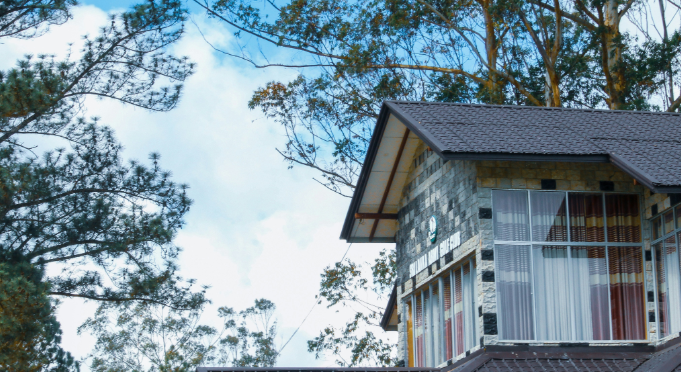
Open floor plans have become increasingly popular in modern home design, serving as a response to the lifestyle needs of contemporary families. One of the most significant benefits of this design approach is its ability to foster family interaction. When living spaces are not confined by walls, family members can engage with each other more freely, whether they are cooking in the kitchen, doing homework at the dining table, or relaxing in the living room. This seamless flow encourages conversations and enhances connection among household members, creating a more interactive and cohesive family environment.
In addition to promoting family engagement, open floor plans have the aesthetic advantage of making spaces appear larger. The absence of walls and barriers provides an uninterrupted sightline, which can create an illusion of expansive space. This feature is especially beneficial in smaller homes, where maximizing space is essential. By integrating various functional zones—such as living, dining, and kitchen areas—homeowners can achieve a spacious feel without sacrificing comfort or utility.
Natural light is another vital aspect enhanced by open floor designs. Large windows, often seen in open-concept layouts, allow sunlight to flood the interior, making the home feel warm and inviting. Consider elements such as skylights or glass sliding doors that extend the living area into the outdoors. Additionally, using light-colored paints and furnishings can further enhance the brightness of a room, making the atmosphere even more uplifting.
In terms of design elements, incorporating multifunctional furniture is key to maximizing the potential of an open floor plan. For instance, a kitchen island can serve as both a cooking station and a casual dining area, while strategically placed area rugs can help define distinct spaces within the open layout. With thoughtful design choices, open floor plans can beautifully merge functionality with style, catering to the needs of today’s families.
Functional and Stylish Kitchen Designs
The kitchen is often regarded as the heart of the home, where families gather to prepare meals, celebrate occasions, and share daily experiences. As such, it is essential to design a kitchen that is both functional and aesthetically appealing. A well-considered layout is the foundation of any effective kitchen design.
Open-concept layouts have gained popularity in contemporary homes, allowing for seamless interaction among family members while cooking and entertaining. Incorporating an island can enhance this design, providing additional counter space for food preparation and a casual dining area. Furthermore, ensuring a natural flow from various kitchen zones—prep, cooking, and cleaning—helps maintain efficiency and accessibility.
Storage solutions play a critical role in maintaining an organized kitchen. Opting for cabinets that utilize vertical space can maximize storage without taking up additional floor area. Pull-out shelves, lazy Susans, and built-in dividers ensure that kitchen essentials are easily accessible and tidy. Additionally, integrating pantry options, such as pull-out drawers or modular shelving, allows families to stockpile groceries while keeping everything orderly.
When selecting materials for a family-oriented kitchen, durability and ease of maintenance are crucial. Finishes such as quartz countertops are not only visually striking but also resistant to staining and scratching, making them suitable for high-traffic areas. For cabinetry, consider melamine or painted finishes that can withstand the wear and tear of daily life. Moreover, incorporating easy-to-clean backsplashes, such as tile or stainless steel, can save time on maintenance, allowing families to focus on what truly matters—spending quality time together.
Finally, integrating smart technology can further enhance kitchen functionality. Features such as programmable thermostats for ovens, smart refrigerators that track groceries, and voice-activated assistants streamline cooking processes and encourage culinary exploration as families work together in their kitchens.
Creating Cozy Family Living Areas
Designing a family living area that promotes comfort and togetherness is essential for fostering connections among family members. In contemporary homes, the living space serves not only as a gathering spot but also as a multifunctional area that accommodates various daily activities. Therefore, creating an inviting atmosphere is crucial.
When arranging seating, consider options such as sectional sofas or oversized chairs that provide ample space for family interaction. A circular layout encourages conversation, while a semi-circle arrangement can facilitate both social interaction and relaxation. Additionally, incorporating versatile furniture like ottomans or benches allows for flexibility and can easily be adjusted to accommodate different gatherings.
The color palette chosen for the living area plays a significant role in establishing an inviting ambiance. Warm tones such as soft oranges, yellows, and earthy browns evoke a sense of coziness and comfort. Furthermore, combining these hues with well-chosen textiles, like plush throw pillows or soft blankets, enhances the snug feeling of the space. Neutral shades can also work effectively when paired with vibrant accent colors to keep the room feeling fresh and lively.
Decor elements should align with the goal of promoting enjoyment and relaxation. Incorporating personal touches such as family photos or artwork not only enhances aesthetic appeal but also creates a sense of belonging. Natural elements, such as indoor plants, contribute to a lively environment that promotes well-being. Lighting is another critical factor; using a combination of ambient, task, and accent lighting creates a warm and versatile space, allowing the family to enjoy varied activities, from reading to hosting game nights.
In summary, designing cozy family living areas involves thoughtful selection of seating arrangements, a warm color palette, and personalized decor. These elements together facilitate comfort and foster deeper connections, ensuring the living area serves as the heart of the contemporary family home.
Kid-Friendly Spaces and Safety
Designing kid-friendly spaces within the home involves a careful balance between aesthetics and safety. Contemporary families often seek environments that not only reflect their personal style but also ensure the well-being of their children. To achieve this, selecting the right materials is paramount. Opt for non-toxic, durable finishes for furniture and surfaces, such as water-based paints and natural fibers that do not pose a health risk. Soft furnishings should consist of hypoallergenic materials that are easy to clean and maintain, ensuring a safe, healthy space for children.
Furniture arrangement plays a crucial role in minimizing hazards in children’s spaces. It is advisable to avoid sharp corners and edges where possible; choosing rounded furniture can help mitigate the risk of injuries. Moreover, placing heavier items lower to the ground prevents tipping accidents. Creating open spaces facilitates free movement and reduces clutter, making it easier for children to navigate their environment safely. Additionally, utilizing safety gates in areas where stairs are present is a wise precaution, enhancing child safety markedly.
Incorporating innovative design elements can engage children, stimulating their creativity and playfulness. Consider integrating interactive features such as chalkboard walls or built-in storage solutions that encourage organization and creativity. For example, a designated art corner with easily accessible supplies can nurture artistic expression while keeping the area tidy. Using playful, colorful accents in furniture and decor can create an inviting atmosphere, inviting children to participate actively in their space. Depending on the interest of the child, themed decorations, like a nature-inspired room or a space-themed nook, can also spark imagination.
Ultimately, creating a stylish and safe environment for children is achievable with thoughtful planning. By selecting the appropriate materials, arranging furniture strategically, and introducing engaging design features, parents can cultivate a home that reassures safety while still being visually appealing and enjoyable for children.
Incorporating Smart Home Technology
As contemporary families seek efficiency and safety in their living spaces, the adoption of smart home technology has become increasingly prevalent. Smart home devices are designed to enhance not only convenience but also security, making them essential components in modern home design. This section will explore various innovations that embody this trend, from smart thermostats to advanced security systems and home automation tools.
Smart thermostats, for instance, represent a significant advancement in energy management for households. These devices allow users to remotely monitor and control their home’s heating and cooling systems via smartphone applications. By learning the family’s routine and preferences, smart thermostats optimize energy use, ensuring comfortable living while minimizing utility bills. This effortless control helps promote an eco-friendly lifestyle suitable for the modern family.
In addition to heating and cooling management, smart security systems are crucial for maintaining safety in today’s homes. These systems often include features such as smart locks, video doorbells, and surveillance cameras that can be accessed and controlled remotely. Such technologies not only provide peace of mind to homeowners but also empower them to respond quickly to any security concerns, thus creating a safer environment for families.
Moreover, home automation tools are increasingly integral in modern smart home setups. Devices like smart lighting systems, voice-activated assistants, and automated appliances contribute to a cohesive ecosystem, allowing families to streamline their daily routines. With the ability to control multiple devices through a single interface, these tools enhance the way families interact with their homes, fostering a sense of comfort and control.
The seamless integration of these smart technologies not only elevates the convenience of daily living but also aligns with the contemporary family’s desire for security and efficiency.
Personalized Home Offices
With the rise of remote work, especially among parents, the demand for personalized home offices has grown significantly. These office spaces must not only facilitate productivity but also seamlessly integrate into the family environment. To meet these dual needs, creating a home office that serves as a functional workspace while accommodating family life is crucial.
When designing a personalized home office, one effective approach is to select a location within the home that allows for a balance between separation and togetherness. For instance, setting up an office in a corner of the living room or a quiet nook in a family area can help working parents stay connected to household activities while maintaining focus on their tasks. This strategic positioning ensures that parents can participate in family interactions without compromising their professional responsibilities.
Incorporating versatile furniture is another essential design tip. Opt for a desk that not only accommodates a computer but also provides storage for schoolwork or family resources. Consider a foldable or extendable desk that can be tucked away when not in use, allowing for a clutter-free space conducive to family gatherings.
Additionally, establish clear boundaries through the use of decorative elements, such as room dividers or bookshelves. These can delineate the office area without creating a stark separation from the rest of the living space. Utilizing plants or artwork can enhance the aesthetic appeal while reinforcing the idea that the office is part of the home rather than a rigidly defined workspace.
Lastly, incorporating technology that supports both productivity and family engagement is vital. Smart home devices can help maintain a balance, allowing for scheduling, reminders, and even family communication tools to coexist in one fluid environment. Personalized home offices, therefore, need to reflect the unique dynamics of a family’s life while providing the structure for effective remote work.
Flexible Spaces for Changing Needs
In recent years, the concept of flexible design has gained prominence in innovative home design, particularly for contemporary families who experience shifting needs over time. This approach focuses on creating adaptable spaces that can easily transition between various functions, thus maximizing utility and comfort. One significant aspect of flexible living is the inclusion of multifunctional rooms, which can serve different purposes throughout the day.
For instance, a room designated as a living area can also accommodate a workspace during the day. The integration of ergonomic furniture, such as a foldable desk or a modular seating arrangement, allows families to transform the room effortlessly. This kind of versatility is essential for urban families with limited space who seek to optimize their living environment without compromising on functionality.
Furthermore, consider incorporating rooms that can be reconfigured based on immediate needs. A guest room that doubles as a home gym, or a playroom that can transition into a quiet reading nook, demonstrates the effectiveness of multifunctional spaces. Utilizing sliding doors or partitions can assist in modifying these environments quickly, promoting an active lifestyle while delivering solitude when necessary.
Another innovative approach is to invest in furniture that caters to multiple uses. For instance, a sofa that converts into a bed signals a practical solution for hosting guests while conserving space. Storage ottomans and multi-tiered shelving units also contribute to the efficient organization of belongings, reducing clutter in communal areas and allowing families to maintain a neat and pleasant atmosphere.
The integration of smart home technology further amplifies the concept of flexible design by enabling families to adjust lighting, temperature, and even layouts from mobile devices. Such advancements support the unique demands of each family member, creating a cohesive living experience that promotes harmony and convenience.
Ultimately, flexible spaces cater to the dynamic nature of modern family life, making it possible for homes to evolve alongside their inhabitants. By employing multifunctional furniture and thoughtful design elements, families can create environments that respond to their ever-changing needs, enhancing overall quality of life.
Incorporating Outdoor Living
In recent years, the trend of blending indoor and outdoor living spaces has gained significant momentum, particularly among contemporary families. This design philosophy not only enhances the aesthetic appeal of a home but also promotes a healthier and more inviting lifestyle. By creating seamless transitions between indoor and outdoor environments, families can enrich their daily interactions and experiences.
To craft an outdoor area that is both functional and welcoming, it is essential to consider various elements that facilitate family activities. One popular approach is to establish a cohesive design that mirrors the interior spaces. Utilizing similar materials, color schemes, and décor can create a harmonious flow, making it feel like an extension of the home’s interior.
A key component of outdoor living spaces is the incorporation of dining areas. Families can benefit from having a dedicated outdoor dining space that encourages shared meals and gatherings. Installing a durable dining table, comfortable seating, and perhaps an outdoor kitchen or grill can transform the backyard into a culinary haven where family and friends can gather. This not only elevates the dining experience but also promotes a sense of togetherness.
Moreover, it is vital to ensure that the outdoor space caters to different family activities. Design elements such as play areas for children can include natural features like a sandbox or a small climbing structure. These features promote imaginative play and allow children to enjoy the fresh air while ensuring safety and accessibility.
In addition to dining and play, incorporating lounging areas with comfortable seating options, such as sectional couches or hammocks, provides families with a perfect spot to relax and unwind. Adding shade with pergolas or umbrellas helps maintain comfort during hot days, allowing for extended use of the outdoor space.
Ultimately, by thoughtfully designing an inviting and functional outdoor area, families can foster meaningful connections and create lasting memories in both their indoor and outdoor living spaces.
Sustainable and Eco-Friendly Design Choices
As contemporary families increasingly prioritize sustainability, it has become essential for home design to reflect eco-friendly values. Sustainable design choices not only contribute to environmental preservation but also offer a myriad of benefits, transforming homes into healthier living spaces. Modern families are often seeking innovative ways to incorporate sustainability into their homes while ensuring aesthetic appeal and functionality.
One of the primary aspects of sustainable design is the use of eco-friendly materials. Natural, renewable resources such as bamboo, reclaimed wood, and recycled metal are gaining popularity. These materials can be incorporated into various elements of home design, from flooring to cabinetry, providing durability while minimizing environmental impact. Furthermore, low-VOC (volatile organic compounds) paints and finishes enhance indoor air quality, aligning with the wellness trends that contemporary families are embracing.
Energy efficiency is another cornerstone of modern sustainable design. Incorporating features such as energy-efficient windows and insulation not only reduces utility bills but also aids in temperature regulation. Solar panels have become increasingly accessible and can significantly lower a household’s carbon footprint. High-efficiency appliances that consume less water and energy are also vital components, ensuring a home design that contributes to environmental stewardship while maintaining modern comforts.
Innovative landscaping techniques, such as xeriscaping, also play a crucial role in sustainable home design. This approach minimizes water usage, making it ideal for families looking to conserve resources. Additionally, incorporating native plants can attract local wildlife and promote biodiversity. Smart home technology can further enhance sustainability by automating energy use, monitoring efficiency, and allowing families to make informed choices about their consumption.
In summary, the intersection of sustainable home design and modern family needs indicates a growing trend towards the adoption of eco-friendly materials and energy-efficient features. By thoughtfully integrating these elements, contemporary families can create healthier living environments that reflect their values and contribute to a more sustainable future.