
Understanding Vegetarian Cooking
Vegetarian cooking encompasses a dietary lifestyle that excludes meat, and often other animal products, focusing on plant-based ingredients. This approach not only caters to those who prefer not to consume meat but also appeals to individuals seeking a healthier, more sustainable way of life. Embracing vegetarianism allows cooks to explore a vibrant array of ingredients, from fresh fruits and vegetables to grains and legumes, promoting creativity in the kitchen.
Adhering to a vegetarian diet can present numerous health benefits. Numerous studies have suggested that vegetarian diets are associated with a lower risk of chronic illnesses such as heart disease, diabetes, and certain cancers. Additionally, a plant-based diet can contribute to improved digestion and weight management due to the abundance of fiber-rich foods. Not only can a vegetarian lifestyle promote personal health, but it can also benefit the environment by reducing carbon footprints associated with meat production.
When venturing into vegetarian cooking, it is crucial to emphasize the importance of variety. A well-balanced vegetarian diet should incorporate a broad spectrum of ingredients to ensure that all nutritional needs are met. For instance, beans and legumes provide essential protein and nutrients, while whole grains offer energy and fiber. Additionally, incorporating a diverse array of colorful vegetables and fruits can maximize vitamin and mineral intake. Thus, experimentation with different cuisines and preparation methods can enhance the culinary experience and nutritional profile of vegetarian meals.
In conclusion, understanding the principles of vegetarian cooking sets the foundation for newbie cooks to explore this delightful culinary avenue. Through a commitment to diverse ingredients and health-conscious choices, one can not only enjoy delicious meals but also embrace a lifestyle that offers various benefits for individual well-being and the broader environment.
Essential Ingredients Every Beginner Should Have
For novice cooks embarking on their vegetarian culinary journey, having the right ingredients on hand can significantly enhance their cooking experience. This section outlines the essential vegetarian ingredients that every beginner should consider stocking in their kitchen to create delicious and satisfying meals.
First and foremost, a variety of vegetables is fundamental. Leafy greens such as spinach, kale, and lettuce provide a nutrient-rich base for salads, while root vegetables like carrots, potatoes, and beets add depth to soups and stews. Seasonal vegetables like zucchini and bell peppers can be sautéed or roasted for side dishes or incorporated into main courses, offering versatility and flavor.
Grains are another crucial component of a vegetarian pantry. Staples like rice, quinoa, and couscous are not only filling but also provide essential nutrients. Whole grains, in particular, contribute fiber and can be used as a base for salads or as side dishes. Incorporating legumes such as lentils, chickpeas, and black beans can help in crafting protein-rich meals, providing essential amino acids that are important in vegetarian diets. These legumes can be added to salads, soups, or even mashed to create spreads.
In addition to fresh produce, a well-stocked pantry will include an array of spices and herbs to elevate the flavors of simple dishes. Common spices such as cumin, coriander, paprika, and turmeric can transform a basic recipe into something extraordinary. Fresh or dried herbs like basil, oregano, and thyme can enhance the taste of sauces and marinades, giving meals a homemade touch.
Finally, do not overlook essential pantry items like oils (olive and coconut) and vinegars (balsamic and apple cider) that impart flavor and complexity to dishes. Keep items like nuts and seeds handy for added texture and nutrition. With these foundational ingredients, beginner cooks can explore a wide range of vegetarian recipes, allowing creativity to flourish in the kitchen.
Easy Vegetarian Breakfast Ideas
Starting the day with a nutritious breakfast is essential, and vegetarian options can be both delicious and simple to prepare. Here are several easy vegetarian breakfast ideas that cater to newbie cooks, emphasizing minimal time and effort while maximizing flavor and nutrient intake.
One of the quickest vegetarian breakfast options is a smoothie. Combining fruits, vegetables, and a liquid base such as almond milk or yogurt creates a refreshing meal that can be ready in just minutes. For example, a banana and spinach smoothie can provide essential vitamins while being naturally sweet and satisfying. To blend, simply add a banana, a handful of spinach, a cup of almond milk, and a tablespoon of nut butter into a blender, and blend until smooth.
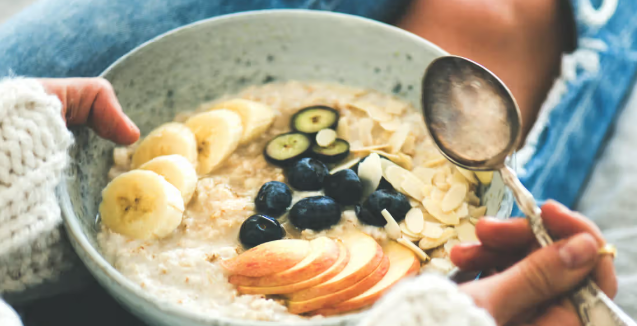
Another excellent choice is overnight oats, which can be prepared the night before for a hassle-free morning. To make basic overnight oats, combine rolled oats with milk or a dairy-free alternative, and your choice of sweeteners and toppings. You might try mixing a third of a cup of oats with a cup of almond milk, a tablespoon of honey, and some chopped fruits. Let the mixture sit in the refrigerator overnight, and in the morning, you will have a wholesome breakfast that is both filling and customizable.
Veggie scrambles offer a hearty breakfast dish that allows for various vegetables and spices. To prepare a simple veggie scramble, beat a few eggs in a bowl and stir in your favorite vegetables such as bell peppers, spinach, or tomatoes. Cook everything in a skillet over medium heat until the eggs are set and the vegetables are tender. Not only is this dish quick to make but it also provides a protein-rich meal to kickstart your day.
Each of these breakfast ideas offers a way to begin the day healthily without complicating the cooking process. They are not only nutritious but also versatile enough to suit different tastes, making them ideal for novice cooks looking to explore the vegetarian culinary landscape.
Delicious Vegetarian Lunch Options
For individuals seeking easy vegetarian lunch recipes, there is a wide array of options that not only satisfy the palate but also promote health and well-being. Each recipe can be prepared in advance or quickly, making them ideal for busy schedules without compromising on nutrition.
One popular choice is the classic salad, which can be tailored to incorporate a variety of vegetables, legumes, and grains. A simple mixed greens salad topped with cherry tomatoes, cucumbers, and a protein source such as chickpeas or quinoa can be made in under 10 minutes. Preparing the ingredients in bulk allows for quick assembly during the week. Adding a homemade vinaigrette or a yogurt-based dressing can elevate the flavors, making the salad an inviting lunch option.
Another versatile lunch option is wraps. Whole grain tortillas can be filled with an assortment of ingredients such as hummus, roasted vegetables, and fresh spinach. These wraps are portable and can be made in advance for easy access during a busy day. They can also be personalized by adding assorted toppings like avocado or shredded carrots, which not only enhance taste but also provide added nutrients.
Grain bowls serve as another delightful vegetarian lunch choice. These bowls typically feature a base of grains such as brown rice or quinoa and are topped with a variety of vegetables, beans, and a protein source like tofu. This meal can be prepped in advance, with individual components stored separately in the fridge, allowing for easy assembly when hunger strikes. A drizzle of teriyaki sauce or a sprinkle of sesame seeds can add a burst of flavor to these bowls.
Incorporating easy vegetarian lunch recipes into one’s meal rotation can facilitate a healthier lifestyle. These options demonstrate that nutritious lunches can be simple, quick, and pleasing to the taste buds, thus making them a favorite among newbie cooks.
Simple Vegetarian Dinners for Busy Nights
For those new to cooking, preparing dinner can sometimes feel like an overwhelming task. However, vegetarian recipes can offer a fantastic solution for busy nights. They often require minimal prep time while still ensuring that meals are both nutritious and delicious. A collection of straightforward vegetarian dinner ideas can assist novice cooks in putting together meals that don’t require extensive culinary skills.
Stir-fries are an excellent choice for busy evenings. They allow for a myriad of vegetables to be used, along with protein alternatives such as tofu or tempeh. Simply chop your favorite vegetables, sauté them in a pan with a drizzle of oil, and add soy sauce or teriyaki sauce for flavor. This versatile dish can be served on its own or over rice or noodles, making it a quick yet satisfying meal.
Pasta dishes can also be a lifesaver when time is of the essence. Whole-grain pasta paired with a simple tomato sauce can be both healthy and easy to prepare. Consider adding a handful of spinach or steamed broccoli to the sauce for added nutrition. Alternatively, a pesto pasta can be made using store-bought pesto, which requires very little cooking. Toss cooked pasta with the pesto and vegetables, and a quick meal is ready.
One-pot meals are perfect for those who prefer minimal cleanup after cooking. A vegetarian chili can be made in a single pot with beans, canned tomatoes, and spices. Simmering the ingredients allows their flavors to meld together, enhancing the overall taste without requiring much effort. Additionally, quinoa bowls, where cooked quinoa is combined with various vegetables and legumes, are another excellent one-pot option.
By focusing on simple vegetarian recipes, newbie cooks can embark on their culinary journey with confidence. These straightforward meals not only save time but are also full of flavors and nutrition. Enjoy exploring these easy vegetarian dinners, perfect for any busy night.
Quick and Tasty Snacks for Vegetarians
Snacking can be an important aspect of a vegetarian diet, providing essential nutrients and energy between meals. For those new to vegetarian cooking, there is a wide array of easy and satisfying snacks that can be prepared quickly. Here are some quick and nutritious snack ideas that are ideal for vegetarians.
One of the simplest and most popular vegetarian snacks is hummus served with fresh vegetables. Hummus, made from blended chickpeas, tahini, lemon juice, and garlic, offers a protein-rich option that is both tasty and filling. Pair it with an assortment of colorful vegetables like carrot sticks, cucumber slices, and bell pepper strips. This not only adds crunch but also benefits your health by supplying important vitamins and minerals.
Another splendid choice for a vegetarian snack is a vibrant fruit salad. Combine various fresh fruits such as berries, melons, and apples for a refreshing treat that’s packed with antioxidants and fiber. Adjust the mix according to seasonal availability or personal preferences. Adding a dollop of yogurt or a sprinkle of nuts can enhance the flavor and provide an additional source of protein.
Nuts are also an excellent on-the-go snack for vegetarians. They are rich in healthy fats, protein, and other essential nutrients, making them a great choice to satisfy hunger. Options like almonds, walnuts, or pistachios are excellent. You can enjoy them on their own or create a simple trail mix by adding dried fruits and seeds to diversify the flavors and textures.
Incorporating healthy snacks into your diet can significantly contribute to overall wellness. They provide the necessary energy to sustain you throughout the day while also delivering a range of nutritional benefits. Experiment with these easy vegetarian snack ideas to find your favorites, ensuring that your snacking aligns with a healthy vegetarian lifestyle.
Utilizing Seasonal Vegetables
Incorporating seasonal vegetables into vegetarian cooking offers numerous benefits, both for health and culinary experience. Seasonal produce is often fresher, tastier, and more nutritious than out-of-season alternatives. By choosing vegetables that are in season, cooks can enjoy vibrant flavors and enhance their dishes with the natural taste of the ingredients. Furthermore, using seasonal vegetables can be more economical, as they are typically harvested in larger quantities and thus cost less due to reduced transportation and storage needs.
When selecting seasonal vegetables, consider visiting local farmers’ markets or joining a community-supported agriculture (CSA) program. These options often provide a variety of fresh produce at its peak ripeness. Observe the environment: vegetables that are grown and harvested locally not only support local farmers but also ensure that the ingredients are fresh. Look for vibrant colors, firm textures, and avoid any produce with bruises or blemishes. It’s essential to plan meals around the freshest options available, ensuring that your recipes are both appealing and nutrient-rich.
Storing seasonal vegetables is also crucial for maintaining their flavor and nutritional value. Most vegetables should be kept in a cool, dry place, with some, like leafy greens, requiring refrigeration. It is advisable to wash and dry vegetables before storage to prevent spoilage. For longer-term preservation, consider steaming or blanching before freezing. By understanding the life cycle of seasonal produce, cooks can enjoy fresh ingredients throughout the year.
Many delicious vegetarian recipes can spotlight seasonal ingredients. For instance, consider creating a roasted vegetable medley with seasonal roots such as carrots, turnips, and sweet potatoes. Another delightful option is a spring salad featuring asparagus and peas, which can be topped with a simple lemon vinaigrette. Utilizing seasonal vegetables not only delights the palate but also connects the cook to the rhythms of nature, making every meal an opportunity to celebrate seasonal bounty.
Cooking Tools and Gadgets for New Cooks
Embarking on a culinary journey as a beginner cook can be an exciting experience, especially when focusing on vegetarian recipes. To facilitate this exploration, it is vital to equip your kitchen with the right tools and gadgets. These essentials not only make the cooking process smoother but also enhance the quality of the meals prepared.
One of the most fundamental tools in any kitchen is a reliable cutting board. A sturdy, large cutting board provides ample space for chopping vegetables and fruits, minimizing the risk of injuries while handling sharp knives. Additionally, a good set of sharp knives is indispensable. Investing in a quality chef’s knife and a paring knife can improve your efficiency and precision when preparing ingredients for various vegetarian dishes.
Pots and pans are crucial for cooking methods such as boiling, sautéing, and baking. A versatile non-stick skillet can be particularly useful for beginners, allowing for easy cleanup and reducing the chances of burning food. Furthermore, a set of pots in various sizes will accommodate the cooking of soups, stews, or grains, making them a staple in vegetarian cooking.
In addition to traditional cookware, easy-to-use appliances can greatly enhance the cooking experience. For instance, a food processor can save time by quickly chopping, slicing, or even blending ingredients vital for most vegetarian recipes. Similarly, an immersion blender is excellent for creating smooth soups or sauces without the need for transferring hot mixtures.
Lastly, measuring cups and spoons are essential for ensuring accurate portioning of ingredients, which is crucial when trying out new recipes. With these basic tools and gadgets, beginner cooks can efficiently prepare a variety of vegetarian meals, gradually building confidence and competence in the kitchen.
Tips for Meal Planning and Prep
Meal planning and preparation can significantly enhance the cooking experience for novice cooks. By organizing meals in advance, beginners can reduce stress and ensure that they have a variety of nutritious vegetarian options throughout the week. Here are some essential strategies to follow.
First and foremost, it is crucial to dedicate some time each week to plan meals. Start by selecting recipes that feature seasonal vegetables and are relatively simple to prepare. This not only allows for better ingredient management but also keeps the eating experience fresh and exciting. Aim for a balance of proteins, grains, and vegetables in each meal to meet dietary needs without falling into a monotonous routine.
Batch cooking is another effective strategy for those new to vegetarian cooking. Preparing larger portions of certain dishes enables cooks to store them for later use. For example, soups, stews, and casseroles typically freeze well and can serve as quick go-to meals on busy days. This practice not only saves time but also minimizes food waste.
Proper storage of these meals is equally important. Invest in high-quality airtight containers to maintain freshness. Label and date the containers to keep track of what’s available and how long food has been stored. This will help prevent any confusion about expiration dates.
Moreover, creating a balanced meal plan is essential. When mapping out meals, consider including a variety of vegetarian dishes that differ in color, texture, and flavor. Incorporate legumes, whole grains, and a diverse range of vegetables. This not only makes meals more appealing but ensures that nutrient needs are met.
In this way, meal planning and prep improve efficiency, ensure balanced nutrition, and enhance the culinary experience for beginner cooks. With these strategies, novices can look forward to cooking without feeling overwhelmed.